
 Travel News Update
How Safe Are Airlines in 2025: When you’re in the air, one of the first things most of us care about is safety. With all the plane crashes over the past few years and news articles regarding abominable accidents on flights, it’s no surprise you’d feel a little apprehensive. But how lethal is flying in 2025? And what airlines have experienced the most crashes throughout their entire histories?
Let’s get the facts into perspective so you can fly securely with knowledge.
Is Flying Still Safe in 2025?
Yes, flying is still very safe to travel. In spite of recent plane crashes that headlined the world, commercial air travel today is far safer. In accordance with 2025 statistics, flying is infinitely safer than driving a car, riding a motorcycle, or even by train in most locations.
In fact, experts say that you’d need to take one flight every day for over 15,000 years before being involved in a fatal plane crash. That’s how rare these tragic events are, thanks to advanced technology, strict regulations, and rigorous training programs.
What the Numbers Say
As of April of 2025, the U.S. experienced 153 plane crashes out of which 23 were fatal accidents. Although they sound large, those figures count all types of aircraft—e.g., small planes and private planes—not commercial planes alone.
On commercial airliners, though, global figures are even more comforting. In 2024 alone, there were over 40 million commercial flights, and only 7 of them were fatal, taking 244 lives. That’s an incredibly low number given how many planes fly every day.
Airlines with the Most Crashes (All-Time Figures)
Certain airlines have experienced more crashes in the past, but context is everything. For instance:
- American Airlines (AA): 11 accidents (two of which were on 9/11)
- Air France (AF): 11 accidents
- China Airlines (CI) and Korean Air (KE): 9 accidents each
- Pakistan International Airlines (PIA): 8 accidents
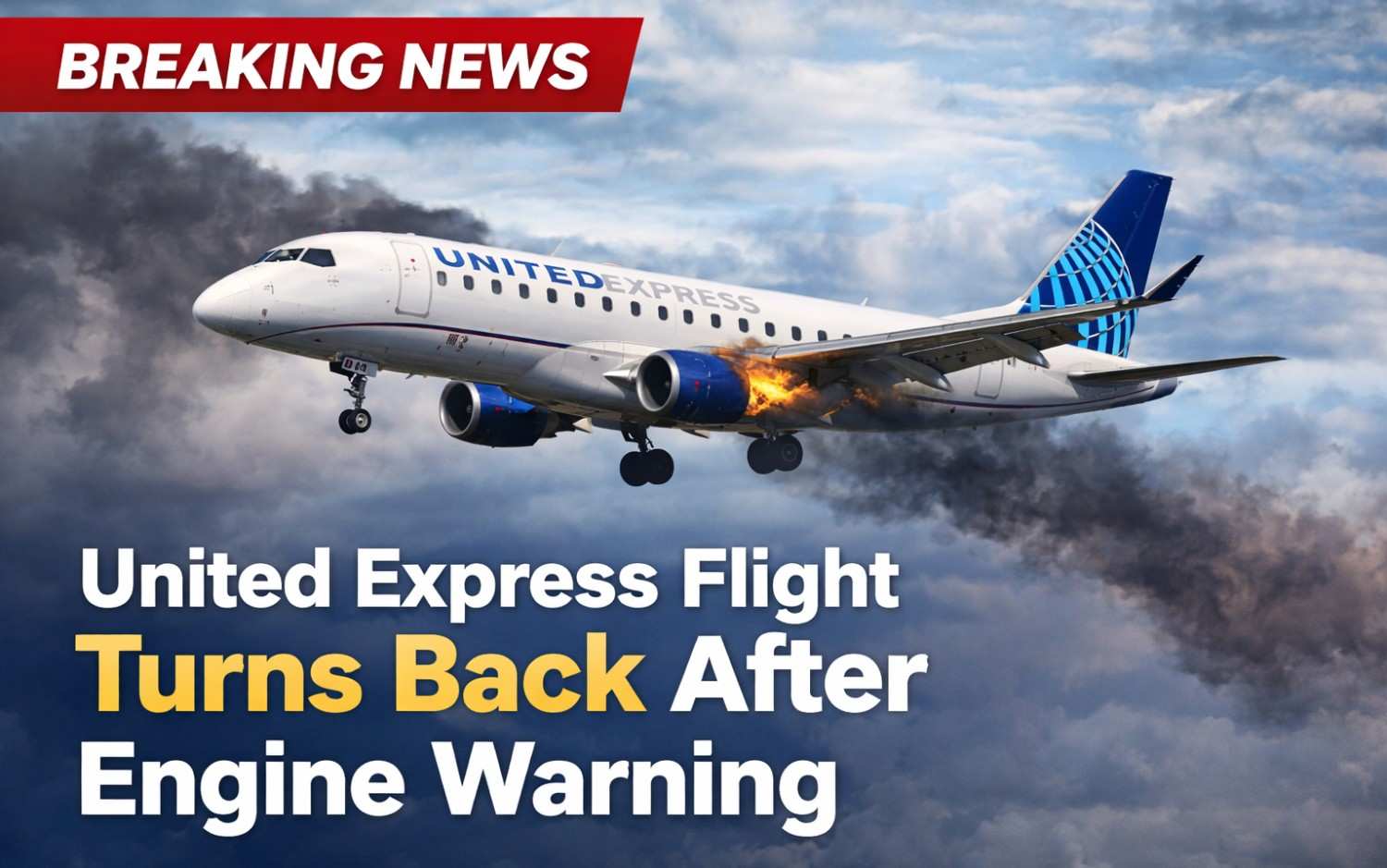
- United Airlines (UA): 7 accidents (two of which were on 9/11)
- EgyptAir (MS), Thai Airways (TG), Ethiopian Airlines (ET): 6 accidents each
It’s also important to note that several of these accidents happened decades ago. Airlines have significantly improved their safety gear and protocols since then.
What About U.S. Carriers?
U.S. carriers such as Delta (DL), United (UA), and American (AA) are still the most regulated carriers globally. They operate under strict parameters set by the Federal Aviation Administration (FAA) and continue to spend billions of dollars on safety gear, better pilot training, and first-class plane maintenance.
To show:
- Delta Air Lines possesses one of the safest safety records among all the airlines in the world.
- United Airlines has implemented new flight data monitoring systems to detect safety hazards before they become problems.
- American Airlines, despite a recent incident at the hands of its regional affiliate American Eagle, flies very safely on its enormous fleet.
Why Do Some Airlines Have More Crashes?
There are various reasons why some airlines have experienced more crashes:
- Size of the airline: The bigger airlines have more aircraft in the air daily, and thus they will necessarily have a longer history of incidents.
- Regional differences: Certain regions have fewer safety equipment or less strict regulations, and these can enhance hazards.
- Age of aircraft: Older fleets are bound to have technical issues if not maintained over the years.
- Pilot training and experience: Not every airline invests equally in advanced crew training and emergency planning.
Technology and Safety
New airplanes have sophisticated systems intended to protect passengers. Among them are:
- Collision avoidance systems
- Terrain warning systems
- Satellite-based navigation and guidance
Real-time monitoring of engines
Better materials, better cockpit design, and more robust safety elements are also used by newer airplanes, all making flying safer.
What Can You Do as a Passenger?
You can’t dictate how an airline functions, but you can make a few decisions to fly wiser:
- Select airlines with strong safety ratings
- Ensure your airline is certified by large international safety agencies
- Consider travel advisories, particularly when flying from areas of poor infrastructure
- Select travel insurance that insures against flight crashes
- You can access current airline safety ratings on sites such as AirlineRatings.com.
Last Thoughts
Flying in 2025 continues to be very safe, particularly with large carriers such as Delta, United, and American leading the way in investing in safety and technology. There is no mode of travel that is entirely risk-free, but commercial air travel is one of the most secure methods of foreign travel.
So whether you’re flying for business, to visit relatives, or a vacation escape, you can rest easy boarding your next flight. The skies may seem a little shaky at times, but the statistics don’t lie: flying is safer than ever.