
 Travel News Update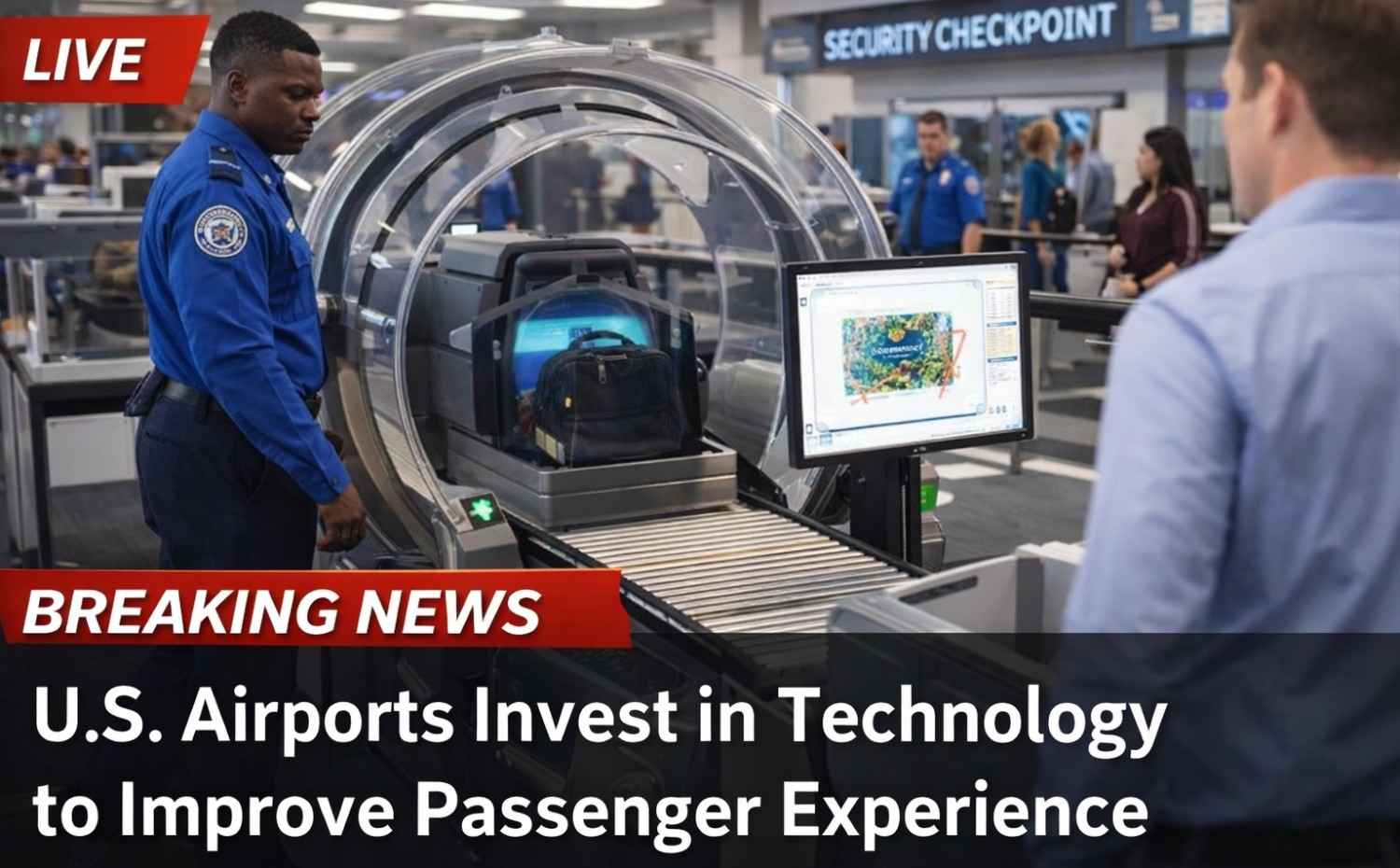
Airports across the United States are investing in new technology to improve the travel experience for passengers. These upgrades are designed to reduce waiting times, improve security processes, and make airport operations more efficient.
With millions of passengers traveling each year, airport authorities are focusing on digital tools, automation, and smart systems to handle increasing traffic. These technological improvements are expected to make air travel smoother and more convenient for travelers.
Why Airports Are Investing in Technology
Passenger numbers continue to grow every year, which puts pressure on airport infrastructure. Long lines, crowded terminals, and slow check-in processes can create frustrating travel experiences.
To address these challenges, many airports are introducing advanced technologies that help manage passenger flow more efficiently. Airports also want to improve safety and security while keeping operations fast and reliable. By using modern technology, airports hope to create a more efficient environment for both travelers and airlines.
New Digital Check-In Systems
Many airports are installing advanced self-service kiosks and mobile check-in options. These systems allow passengers to check in quickly without waiting in long lines. Airlines like Delta Air Lines and American Airlines already offer mobile apps that allow passengers to check in, download boarding passes, and track flight updates.
Some airports are also testing biometric systems that use facial recognition technology to verify passenger identity. These digital tools help speed up the boarding process and reduce congestion in airport terminals.
Security and Safety Improvements
Security remains one of the most important aspects of airport operations. The Transportation Security Administration is working with airports to introduce improved screening technologies.
New scanning systems allow security officers to examine luggage more efficiently while maintaining strict safety standards.
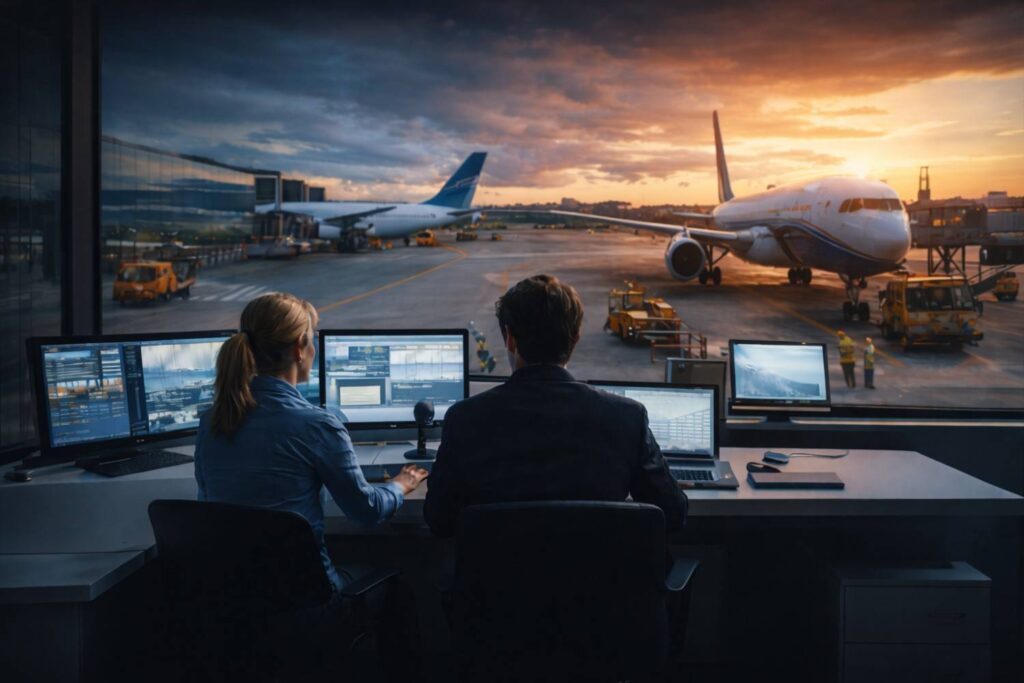
These upgrades can help reduce waiting times at security checkpoints while ensuring passenger safety. Airports are also using advanced monitoring systems to improve safety across terminals and runways.
Examples of Airport Upgrades
Several major airports are already investing heavily in technology. Airports such as Dallas/Fort Worth International Airport and John F. Kennedy International Airport are expanding digital systems to manage passenger traffic.
These airports are introducing automated bag-drop systems, smart security lanes, and digital navigation tools that help passengers find gates and services more easily. Technology is becoming an essential part of modern airport design.
The Future of Smart Airports
As technology continues to evolve, airports are expected to become even more advanced. Future airports may include fully automated check-in systems, smart luggage tracking, and improved digital communication with passengers.
The Federal Aviation Administration is also supporting new systems that improve coordination between airports and airlines.
These developments could lead to faster, safer, and more efficient travel experiences. For passengers, the rise of smart airports means that flying could become easier and more convenient in the years ahead.