 Travel News Update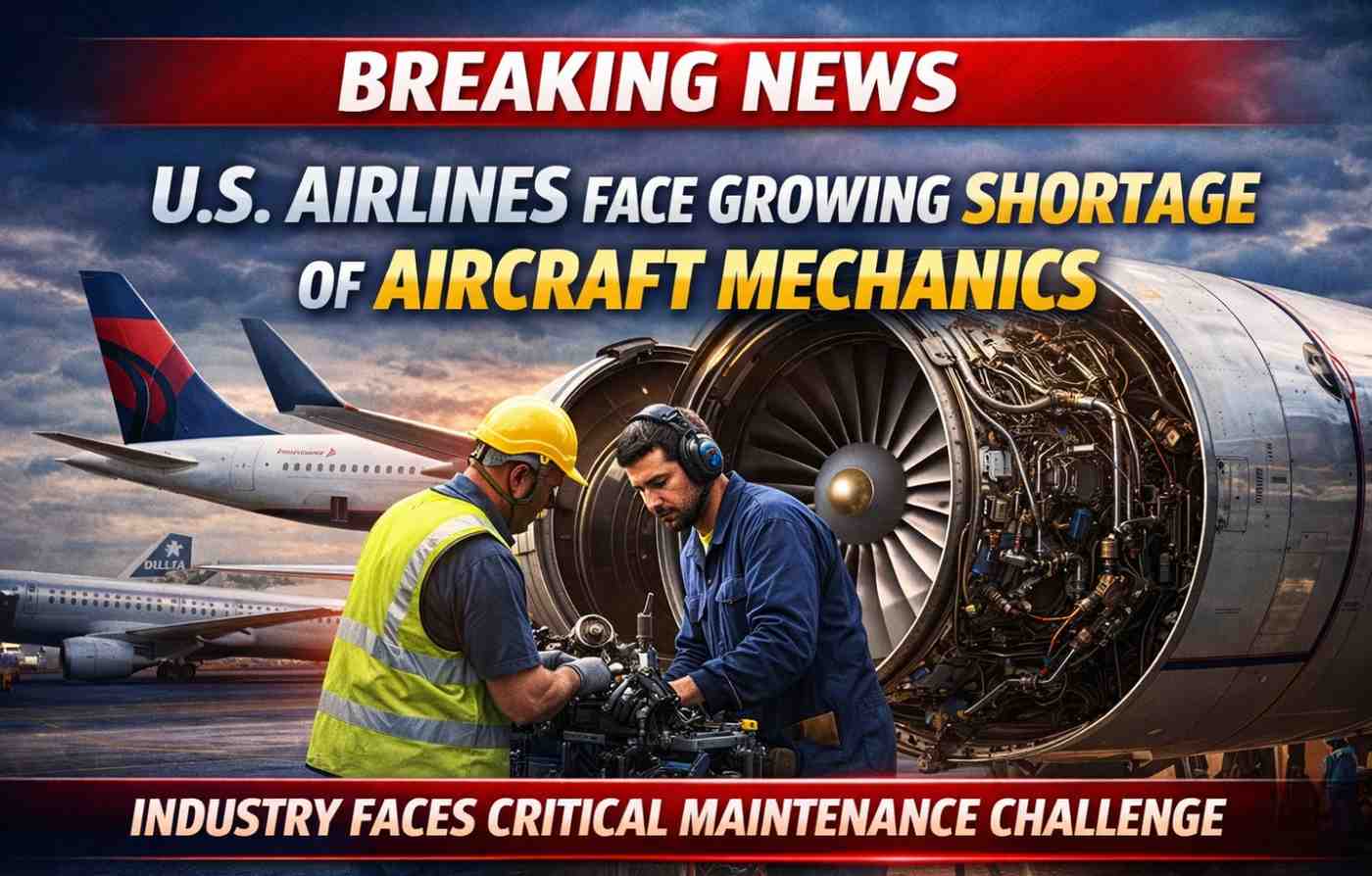
The U.S. aviation industry is facing a serious shortage of aircraft mechanics, creating new challenges foppr airlines across the country. Aircraft mechanics are responsible for inspecting, repairing, and maintaining aircraft to ensure they operate safely. As air travel continues to grow, airlines are finding it harder to hire enough skilled mechanics to support their operations.
This shortage is affecting major airlines, maintenance companies, and airports, and it could impact airline efficiency in the coming years.
Retirements and Workforce Gap Creating Shortage
One of the main reasons for the mechanic shortage is the large number of experienced workers retiring. Many aircraft mechanics who started their careers decades ago are now reaching retirement age. Unfortunately, there are not enough new mechanics entering the field to replace them.
Becoming an aircraft mechanic requires special training, certification, and technical skills. Training programs can take several years to complete, and the number of students enrolling in these programs is still lower than industry demand.
Major airlines such as American Airlines, United Airlines, and Delta Air Lines require large teams of mechanics to maintain their fleets. With hundreds of aircraft in operation, airlines depend heavily on qualified mechanics to keep planes in safe condition.
Increased Air Travel Raising Maintenance Demand
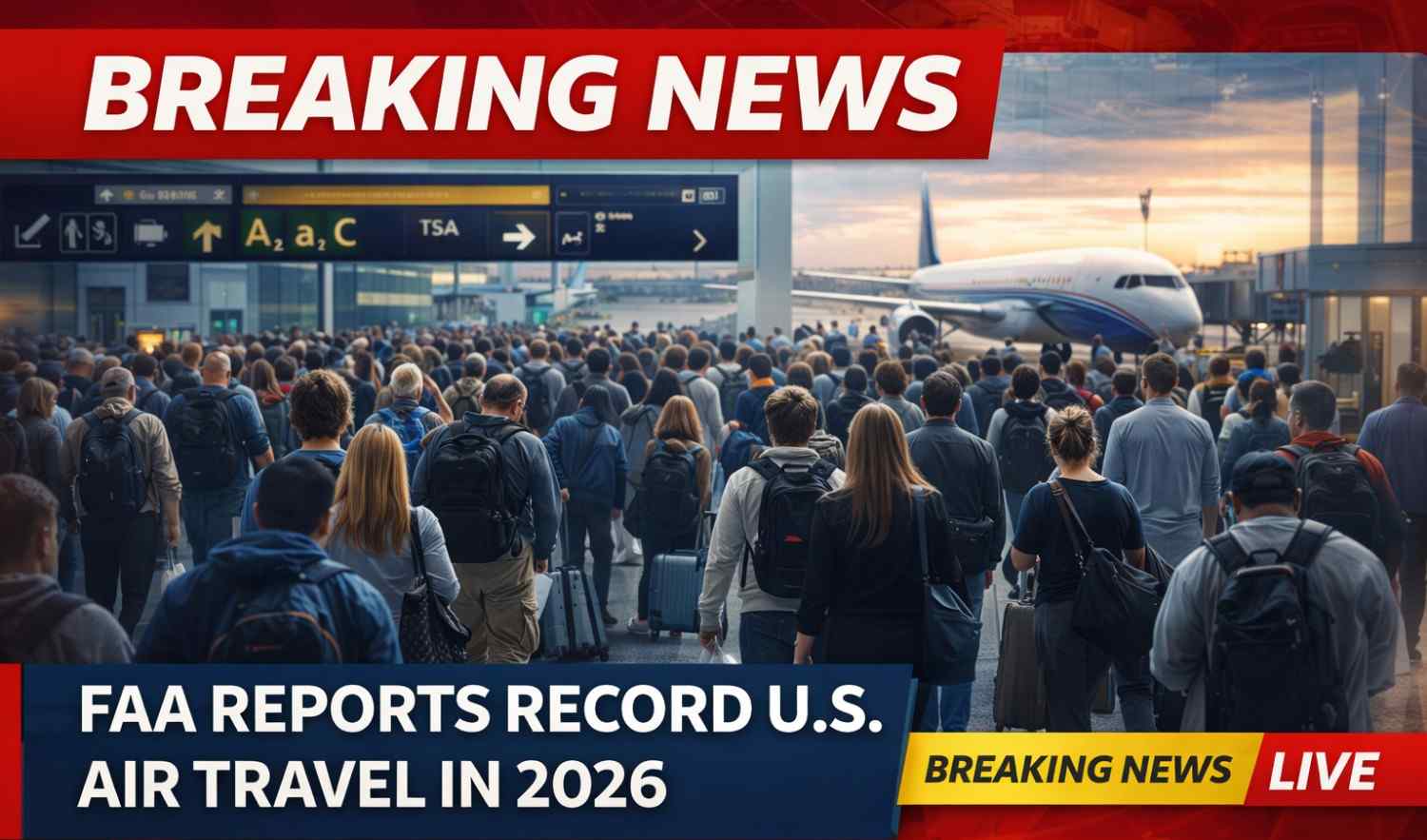
Another reason for the shortage is the rapid recovery and growth of air travel. More people are flying now, and airlines are operating more flights than before. This increases the workload for maintenance teams.
Aircraft must undergo regular inspections and maintenance checks. These include routine checks before flights, scheduled maintenance after certain flight hours, and repairs when technical problems occur.
With more aircraft flying frequently, maintenance teams must work harder to keep aircraft ready for service. This increases demand for mechanics and puts pressure on airlines to hire more staff. Cargo airlines and regional airlines are also affected by the shortage, as they compete for the same pool of skilled workers.
Possible Impact on Airline Operations
The mechanic shortage may lead to longer maintenance times and occasional delays. If there are not enough mechanics available, aircraft may stay on the ground longer for inspections and repairs.
This could affect airline schedules, especially during busy travel periods. Airlines may need to adjust flight schedules or use backup aircraft to avoid disruptions. However, airlines are taking steps to manage the situation and ensure passenger safety is not affected.
Airlines Working to Attract and Train New Mechanics
To solve the problem, airlines are increasing salaries, offering better benefits, and expanding training programs. Many airlines are also working with aviation schools to encourage more students to become aircraft mechanics.
Some airlines are investing in newer aircraft that require less maintenance. Modern aircraft use advanced technology that improves reliability and reduces maintenance needs.
The Federal Aviation Administration (FAA) also plays an important role by setting training and certification standards for mechanics. These standards ensure that all mechanics are properly trained and qualified.
Safety Remains the Top Priority
Despite the shortage, airlines and regulators continue to focus on safety. Aircraft cannot operate unless they meet strict safety requirements. Mechanics carefully inspect and maintain aircraft to ensure they are safe for passengers and crew.
The aviation industry is working to address the mechanic shortage through hiring, training, and investment in new technology. While challenges remain, airlines are committed to maintaining safe and reliable operations. As air travel continues to grow, solving the mechanic shortage will be important for the future of the U.S. aviation industry.