 Travel News Update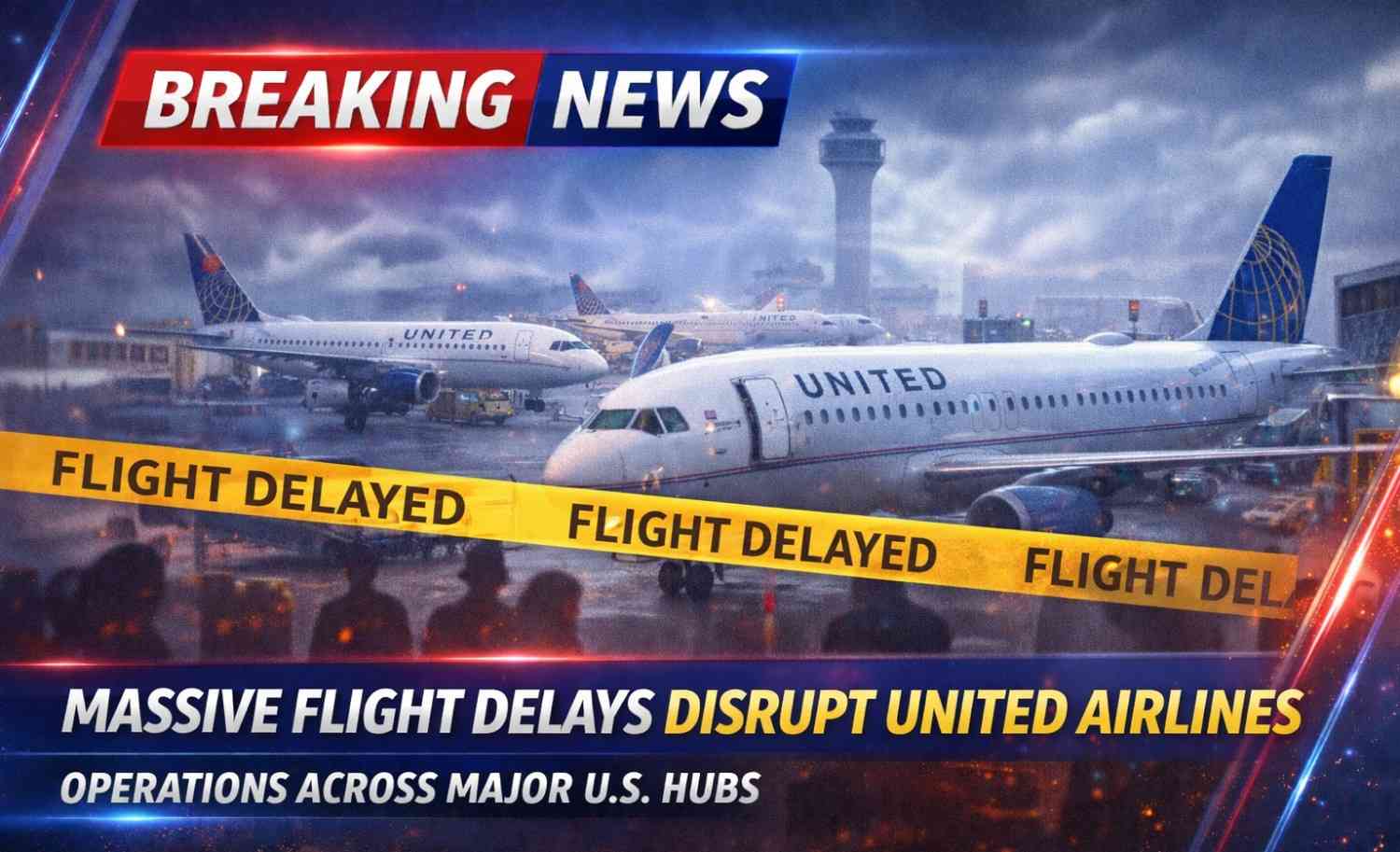
Hundreds of Flights Impacted by FAA Ground Delays
Hundreds of flights operated by United Airlines were disrupted across the United States due to Federal Aviation Administration (FAA) ground delay programs and operational constraints at major airport hubs. The widespread delays affected passengers nationwide and created significant disruptions across United’s extensive route network.
FAA ground delay programs are implemented when airport arrival capacity is reduced due to weather conditions, air traffic congestion, or operational limitations. These programs regulate the flow of aircraft to maintain safe separation and ensure efficient airspace management.
Major United Airlines Hubs Experience Significant Disruptions
United Airlines operates major hub airports including Chicago O’Hare International Airport, Newark Liberty International Airport, Denver International Airport, and Houston George Bush Intercontinental Airport. These hubs serve as critical connection points for domestic and international flights.
When FAA restrictions were implemented, aircraft departures and arrivals were delayed, causing a ripple effect throughout United’s system. Flights were held at gates or delayed on the ground while waiting for clearance, leading to cascading delays across multiple routes.
Because United operates a hub-and-spoke network, delays at one hub quickly affect flights throughout the airline’s entire system. Aircraft arriving late cannot operate their next scheduled flights on time, which contributes to widespread disruptions.
Weather and Air Traffic Constraints Contribute to Delays
Weather conditions played a key role in triggering the FAA’s ground delay programs. Winter weather, including reduced visibility, strong winds, and storms, can significantly reduce airport capacity. Air traffic controllers must increase spacing between aircraft to maintain safe operations during such conditions.
In addition to weather challenges, air traffic congestion and infrastructure limitations can also contribute to delays. The FAA continues working to balance increasing air travel demand with available airspace capacity and staffing levels.
Passenger Impact and Airline Response
Thousands of passengers experienced delays, missed connections, and extended travel times. Travelers connecting through major hubs were especially affected, as delayed inbound flights caused passengers to miss their onward departures.
United Airlines responded by adjusting schedules, rebooking passengers, and providing customer service support. Airline staff worked to assist affected travelers and restore normal operations as quickly as possible.
Despite the disruptions, safety remained the FAA’s top priority. Ground delay programs are designed to prevent airspace congestion and ensure safe aircraft separation.
Growing Challenges in Modern Airline Operations
The incident highlights the complexity of airline operations and the challenges airlines face in managing large-scale networks. Even temporary restrictions at major hubs can lead to widespread delays affecting thousands of flights.
As air travel demand continues to increase, airlines and regulators are investing in infrastructure upgrades and air traffic control modernization to improve efficiency and reduce disruptions.
United Airlines continues working closely with the FAA to manage operational challenges and maintain reliable service while ensuring the highest safety standards.