
 Travel News Update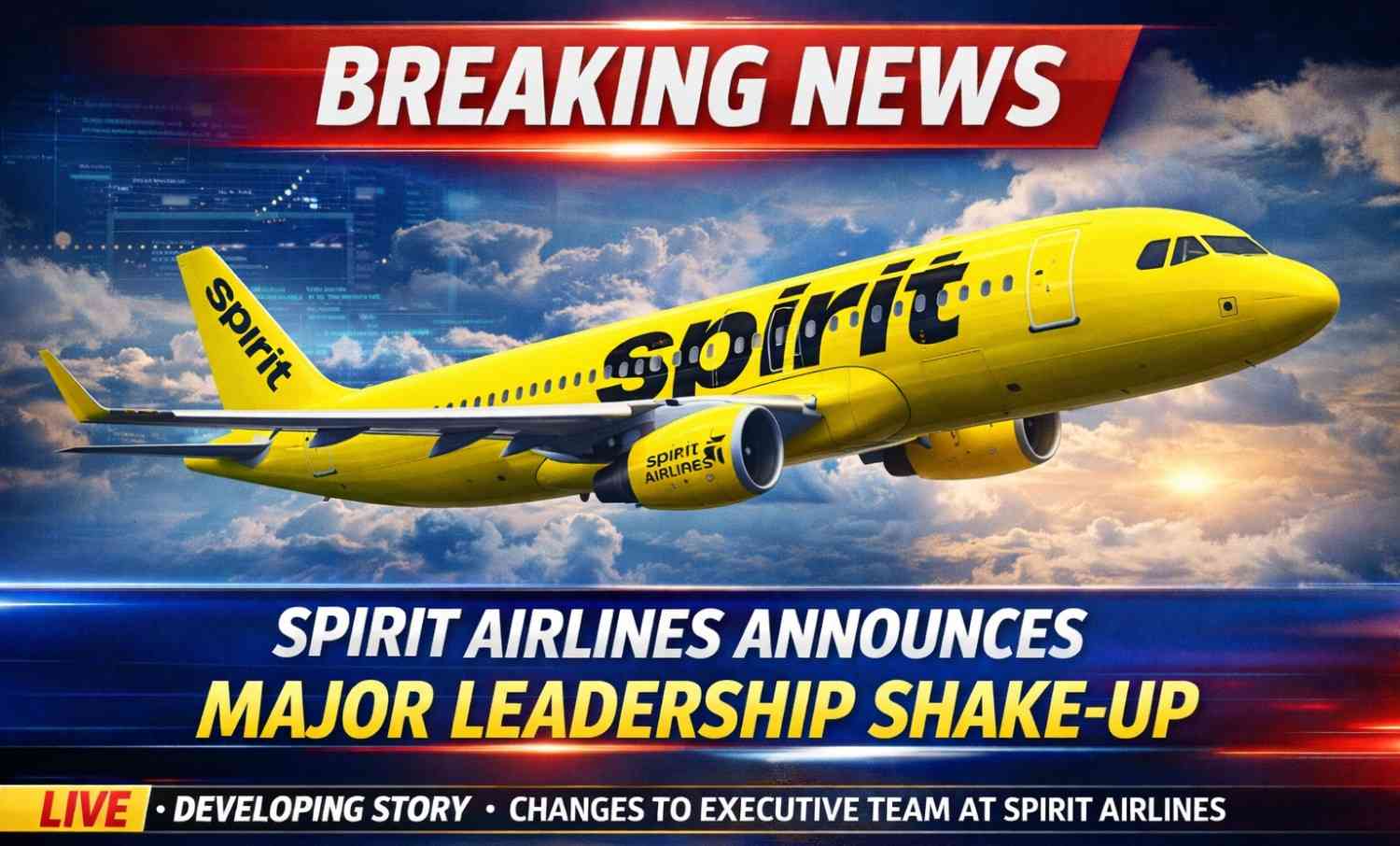
Low-cost carrier Spirit Airlines recently announced a major leadership shake-up as part of its efforts to rebuild and stabilize the company. The airline confirmed that its longtime chief executive officer, Ted Christie, will step down from his role.
The announcement comes during a challenging period for the airline industry. Rising operational costs, changing travel demand, and financial pressures have forced many airlines to rethink their strategies. Spirit Airlines believes that leadership changes could help guide the company toward a stronger future.
This decision marks an important moment for the airline as it works to improve its financial performance and maintain its position in the competitive low-cost airline market.
Why the Leadership Change Happened
Airlines often make leadership changes when they want to introduce new strategies or adjust their long-term plans. In the case of Spirit Airlines, the leadership shake-up comes after a period of financial and operational challenges.
The airline faced increased competition, higher fuel costs, and disruptions in the travel industry over the past few years. In addition, the company has been trying to recover from financial restructuring and operational adjustments.
Because of these challenges, Spirit’s board of directors decided it was time for new leadership that could bring fresh ideas and guide the airline through the next stage of growth. Although Ted Christie played a key role in leading the airline through difficult periods, the company believes new leadership will help move the airline forward.
Interim Leadership Structure
After the departure of Ted Christie, Spirit Airlines introduced an interim leadership structure while it searches for a permanent CEO.
Instead of immediately appointing a single replacement, the airline created what it calls an “Office of the President.” This group includes several senior executives who will work together to manage the company’s operations and strategic decisions.
This approach allows the airline to maintain stability while the board conducts a full search for a new chief executive. The company has said it plans to look both internally and externally for potential candidates who have strong experience in aviation, finance, and corporate leadership.
Impact on Spirit Airlines’ Strategy
Leadership changes often bring new strategies and priorities. For Spirit Airlines, the transition may lead to adjustments in how the airline operates and competes in the market. Spirit is known for its ultra-low-cost business model, which focuses on offering very low base fares while charging additional fees for services such as baggage, seat selection, and onboard amenities.
The next CEO may look for ways to strengthen this model while improving customer experience and operational reliability. Some analysts believe the airline could also review its route network, partnerships, and fleet plans. These strategic decisions will play a major role in shaping the airline’s future.
Industry Reaction
The announcement of Spirit’s leadership change quickly drew attention from industry analysts and aviation experts. Many believe the move reflects the broader challenges facing low-cost carriers. Competition among airlines in the United States is intense, with major carriers like American Airlines, Delta Air Lines, and United Airlines continuing to expand their services.
At the same time, other budget airlines are also competing for price-sensitive travelers. Because of this environment, airlines must constantly adjust their strategies to remain profitable. Analysts say Spirit’s leadership change could help the airline rethink its approach and adapt to new market conditions.
Looking Ahead
Spirit Airlines now faces an important transition period as it searches for a new CEO. The next leader will be responsible for guiding the airline through financial recovery, operational improvements, and future expansion.
Passengers, employees, and industry observers will closely watch how the airline evolves under new leadership.
Despite the challenges, Spirit Airlines remains one of the largest ultra-low-cost carriers in the United States. With the right leadership and strategy, the airline hopes to strengthen its position in the aviation market and continue offering affordable travel options to millions of passengers.