
 Travel News Update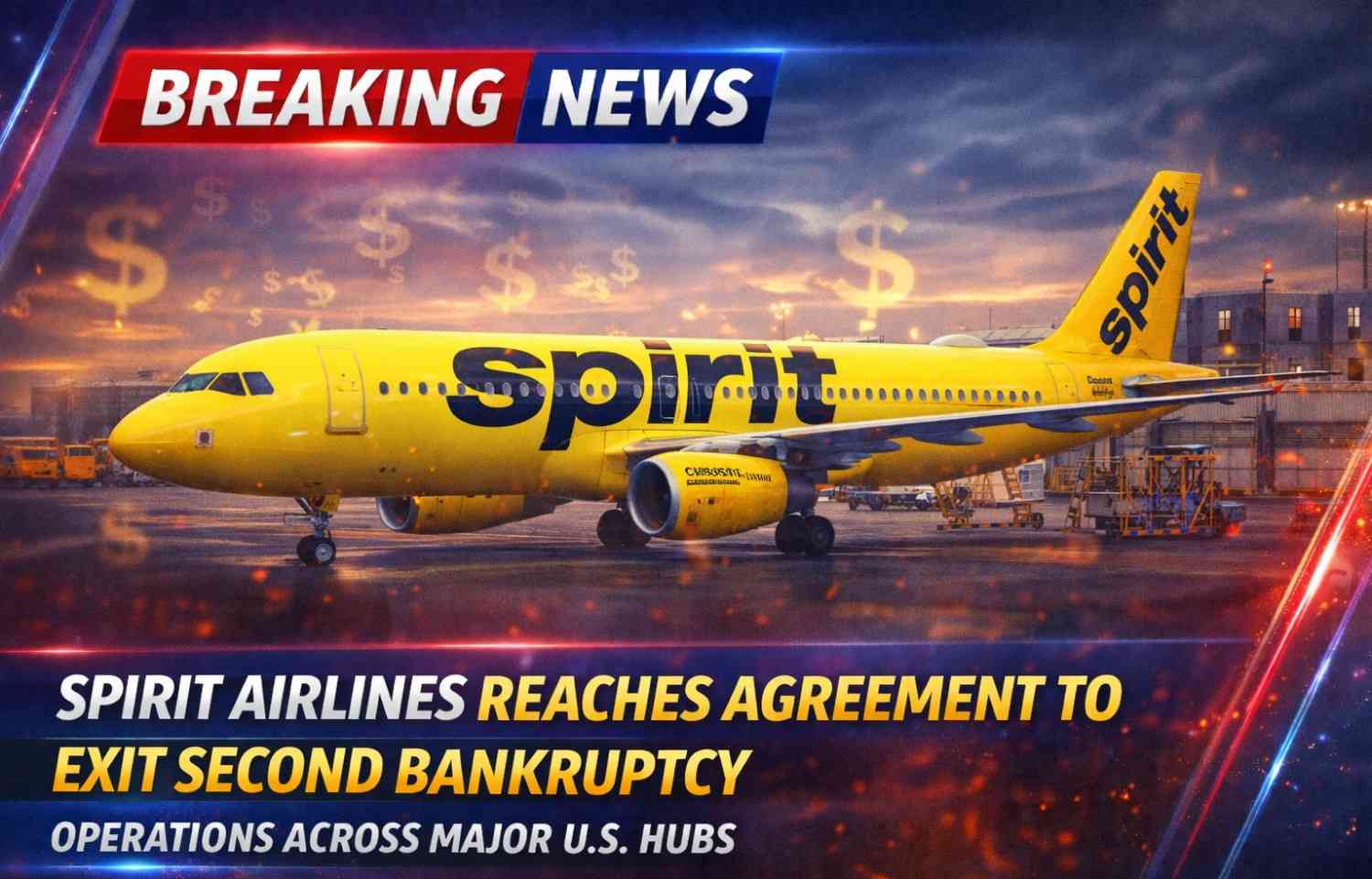
Ultra-Low-Cost Carrier Moves Toward Financial Recovery
Spirit Airlines has reached a tentative agreement with its creditors that will allow the airline to exit bankruptcy protection by late spring or early summer 2026. The agreement marks a major step in the airline’s effort to stabilize its finances and rebuild its operations after months of restructuring.
According to a company statement, the deal provides Spirit with the financial support needed to complete its restructuring plan. This includes making changes to its fleet, network, and overall cost structure. The airline believes these changes will help it operate more efficiently and return to profitability.
Spirit President and CEO Dave Davis said the agreement is the result of months of hard work. He explained that the airline is now moving closer to completing its transformation and becoming a stronger competitor in the U.S. aviation market.
Spirit Plans to Become Smaller and More Efficient
As part of its restructuring, Spirit Airlines will operate as a smaller and more efficient airline. The company plans to reduce costs, adjust its fleet size, and improve aircraft utilization. This means Spirit will focus on using its planes more efficiently and reducing flights during low-demand periods.
The airline is also planning to expand its premium offerings. New products such as Spirit First and Premium Economy are expected to attract more passengers who are willing to pay extra for comfort while still benefiting from Spirit’s low-fare model.
By making these changes, Spirit hopes to create a balanced business model that combines low fares with improved customer experience.
Bankruptcy Followed Financial Pressure and Rising Costs
Spirit filed for bankruptcy protection in August 2025 due to rising operating costs and increasing debt. Like many airlines, Spirit faced financial challenges after the COVID-19 pandemic, including higher fuel prices, supply chain delays, and increased labor expenses.
To reduce costs, Spirit took several major steps. The airline laid off corporate employees, furloughed pilots and flight attendants, canceled multiple routes, and exited certain markets. It also sold some aircraft to raise money and reduce financial pressure.
Lenders provided financial support during the bankruptcy process through credit agreements, helping the airline continue operating while it reorganized its business.
No Merger or Sale Included in Current Agreement
Although Spirit had discussions with other companies, including Frontier Airlines and investment firm Castlelake, the current agreement does not include a merger or sale. Instead, Spirit will continue operating as an independent airline after exiting bankruptcy.
Industry experts had previously raised concerns that Spirit might shut down completely, which could have affected competition and fares, especially in key markets like Florida. However, the new agreement confirms that Spirit will remain in operation.
Spirit Aims for a Stronger Future
Spirit Airlines expects to emerge from bankruptcy as a leaner and more competitive airline. The company believes its lower costs, improved operations, and updated product offerings will help it attract more customers and improve financial performance.
The restructuring is designed to position Spirit for long-term success in a competitive airline industry. By focusing on efficiency and customer value, Spirit hopes to rebuild its reputation and strengthen its role as a major ultra-low-cost carrier in the United States.
The airline will now present further details of its restructuring plan to the bankruptcy court as it prepares to complete the process and move forward.