
 Travel News Update
Flights Suspended Following ATC Facility Evacuation
All incoming and outgoing flights at Orlando International Airport were halted for a time Sunday afternoon after an emergency evacuation at the airport’s air traffic control facility. While the situation was being investigated, the Federal Aviation Administration (FAA) placed a ground stop on flights.
FAA Confirms Fire Suppression System Activation
The FAA said the outage was triggered after a fire suppression system went off in the air traffic control facility. Officials afterwards said there was no fire and that the system had gone off because frigid temperatures had caused issues with equipment in the building.
What a Ground Stop Means for Flights
A ground stop is where the FAA issues an order preventing aircraft from taking off for a certain airport. In this instance, it was flights destined for Orlando that were ordered to stay grounded at their origin points and aircraft already on the ground in MCO had been held back from departing.
Ground stops are issued when airport traffic is diverted, stalled, or otherwise impacted for safety, weather, equipment, or staffing reasons. However, in practice, they tend to result in massive propagation of delays and do not finish at the end of the period of disruption.
More Than 200 Flights Delayed at Orlando International Airport
The partial shutdown led to over 200 flight delays for several U.S. and international airlines operating out of Orlando International Airport. The delayed-aircraft and flight-crew schedules meant airlines faced compounding delays.
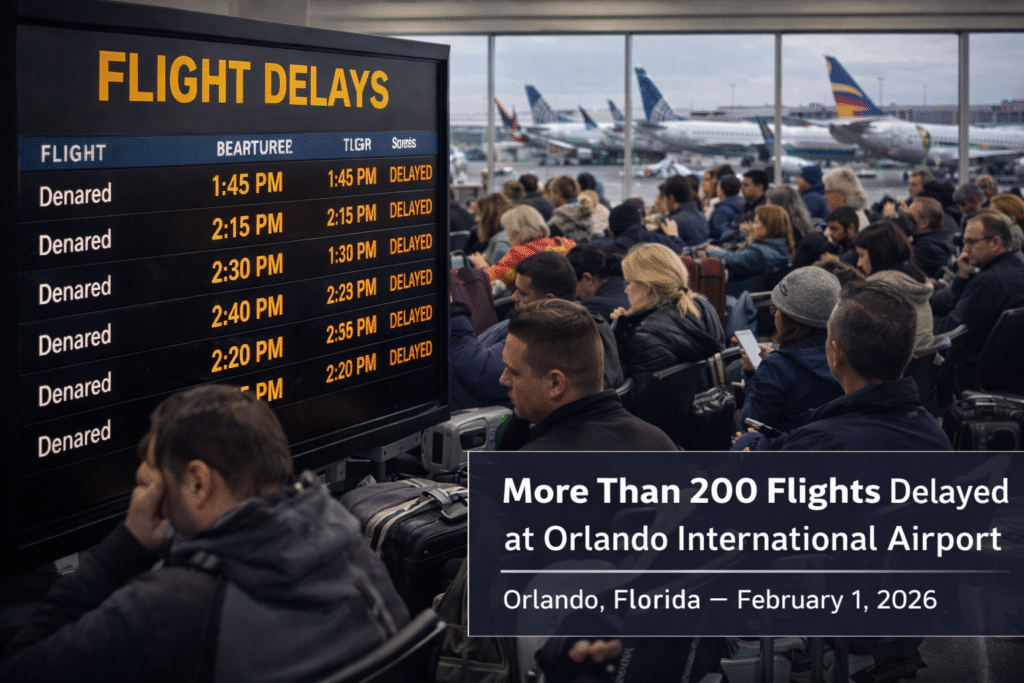
Airlines, even after the ground stop was lifted later on Friday afternoon, continued to jockey to reposition aircraft, crews and people who had booked tickets. Some flights left hours late, others filed long arrival delays because of congestion and a shortage of gates.
Those with connecting flights were some of the worst affected as it usually means being rebooked onto later flights or staying overnight.
Impact on Airlines and Airport Operations
Carriers served by Orlando had to retool schedules on the fly, strategically deal with crews who were working toward duty-time limits, and handle displaced aircraft throughout their networks. It was particularly hard for low-cost and leisure-oriented carriers that fly frequently at MCO.
Teams of airport operation workers sweated to quickly re-establish normal operations by cooperating with air-traffic controllers, airline staff and ground services. Flights are back on, but as operations were put into play there was still evening traffic.
What Travelers Need to Know
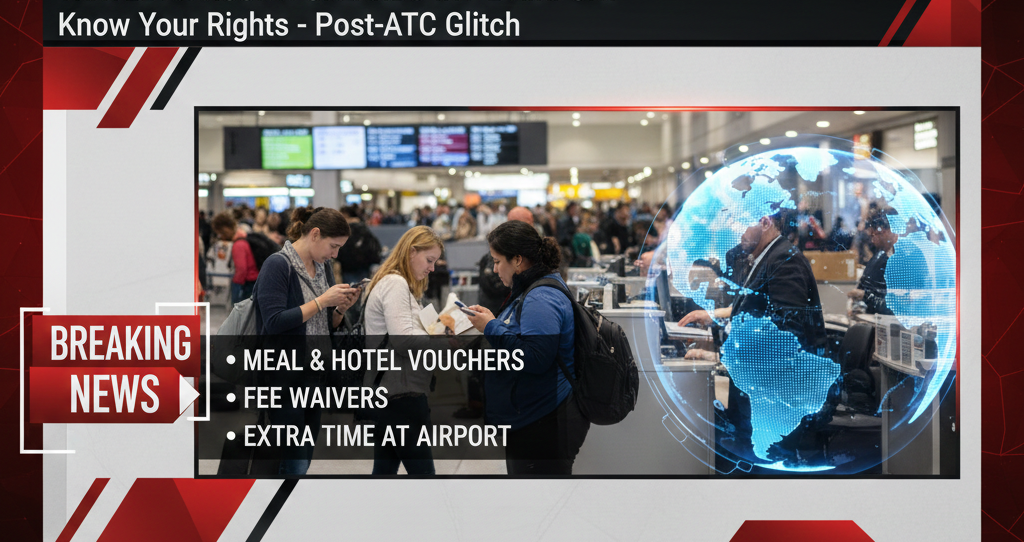
Any passengers on flights that experienced delays or were canceled also had the option to contact their airline’s customer service for meal vouchers, hotel stays and fee waivers as applicable and depending on fare type in support of each airline’s policies.
Extreme Cold Weather Adds to Operational Challenges
Central Florida was experiencing rare cold weather at the time of incident, with freezing conditions across a number of counties. The National Weather Service had also issued an extreme cold warning for most of the area.
Airport troubles caused by the weather are not so common in Florida, especially when you’re talking about cold. The episode brought into focus the challenge of infrastructure built for warmer climates confronted with rare cold-weather circumstances.
Cold temps can freeze airport equipment, fire suppression systems and operational facilities that typically aren’t used in freezing conditions, which means mechanical problems are more likely.
Broader Context for U.S. Air Travel
An incident that highlights the need for robust air traffic control infrastructure, something especially critical with continued growing demand for U.S. air travel. Such small hiccups at major airports can create ripple effects across the nation, delaying flights even outside the affected region.
As extreme weather events grow in frequency and unpredictability, more and to do with the preparedness of infrastructure and contingency planning – with airports and airlines now taking a keen interest.
Final Outlook
Flights began moving again at Orlando International Airport after the F.A.A. ended a ground stop, but some delays remained as airlines sought to clear backlogs of operational issues. There were no reports of injuries and airport officials said safety systems worked as they should.
Travelers flying through Orlando over the next few days should check for flight updates and be adaptable, especially with this crazy weather.
And if you’re a traveler caught up in this mess, you may find the following recent posts on airline delay policies, rebooking options and passenger rights during flight cancellations that are beyond your control helpful, as these policies can change by carrier and circumstance. And keeping on top of the news can help travelers make more informed decisions in the event of further schedule changes.