 Travel News Update
Israel-Iran: The most recent confrontation between Iran and Israel is big news around the world, and for a valid reason. From a military attack, it has escalated into a series of potentially perilous strikes, missile firings, and threats of violence. But the situation is not only impacting individuals in the area — it’s also causing issues for tourists, airlines, and the global travel industry.
If you’re heading to the Middle East or even passing through there soon, here’s what you should know — in plain, easy-to-understand language.
What’s Going On: Israel-Iran
On June 12, 2025, Israel-Iran nuclear facilities and senior military leaders in a devastating attack. Iran retaliated immediately with dozens of missiles launched into Israeli cities such as Tel Aviv and Jerusalem. This tit-for-tat is the most intense combat between the two nations in decades.
Israel has dubbed this war effort “Rising Lion” and stated it can go on for days or even weeks. Iran, in turn, has threatened further retaliation.
The whole world is keeping a keen eye out. Most worry that if the war keeps going, it can spill over into a broader regional conflict including other nations like the United States and European allies.
Major Updates From the Conflict
Iran Strikes Back: Iran launched missiles into several locations near Tel Aviv, destroying buildings and injuring dozens of individuals. Two deaths have been reported thus far in Israel.
Israel’s Airstrikes: Israel targeted important sites in Iran — including nuclear facilities and military bases in cities such as Tehran, Natanz, and Isfahan. Iranian officials report at least 78 individuals were killed and more than 300 injured.
Nuclear Safety Issues: A UN nuclear agency has verified that one of the facilities attacked close to Natanz was damaged, leading to the small radioactive leak. Fortunately, experts indicate that the leak is contained for the time being.
International Reaction: The United Nations and other global leaders are urging restraint. However, until now, both nations are still threatening further attacks, and no peace negotiations have been scheduled.
How This Is Impacting Travel
This Israel-Iran war is already affecting a significant amount of world travel, particularly in those going to or through the Middle East.
- Canceled or Altered Flights
Numerous major European, Asian, and Gulf airlines have suspended flights to Israel and Iran due to safety concerns. Others are diverting flights to circumvent airspace over the war zones. These result in longer flying times and potential scheduling changes. - Restricted Airspace
Iraq, Jordan, and sections of Saudi Arabia have closed or restricted portions of their airspace. This has an impact on transcontinental flights from Europe to Asia, resulting in delays or extended detours. - Increased Airport Security
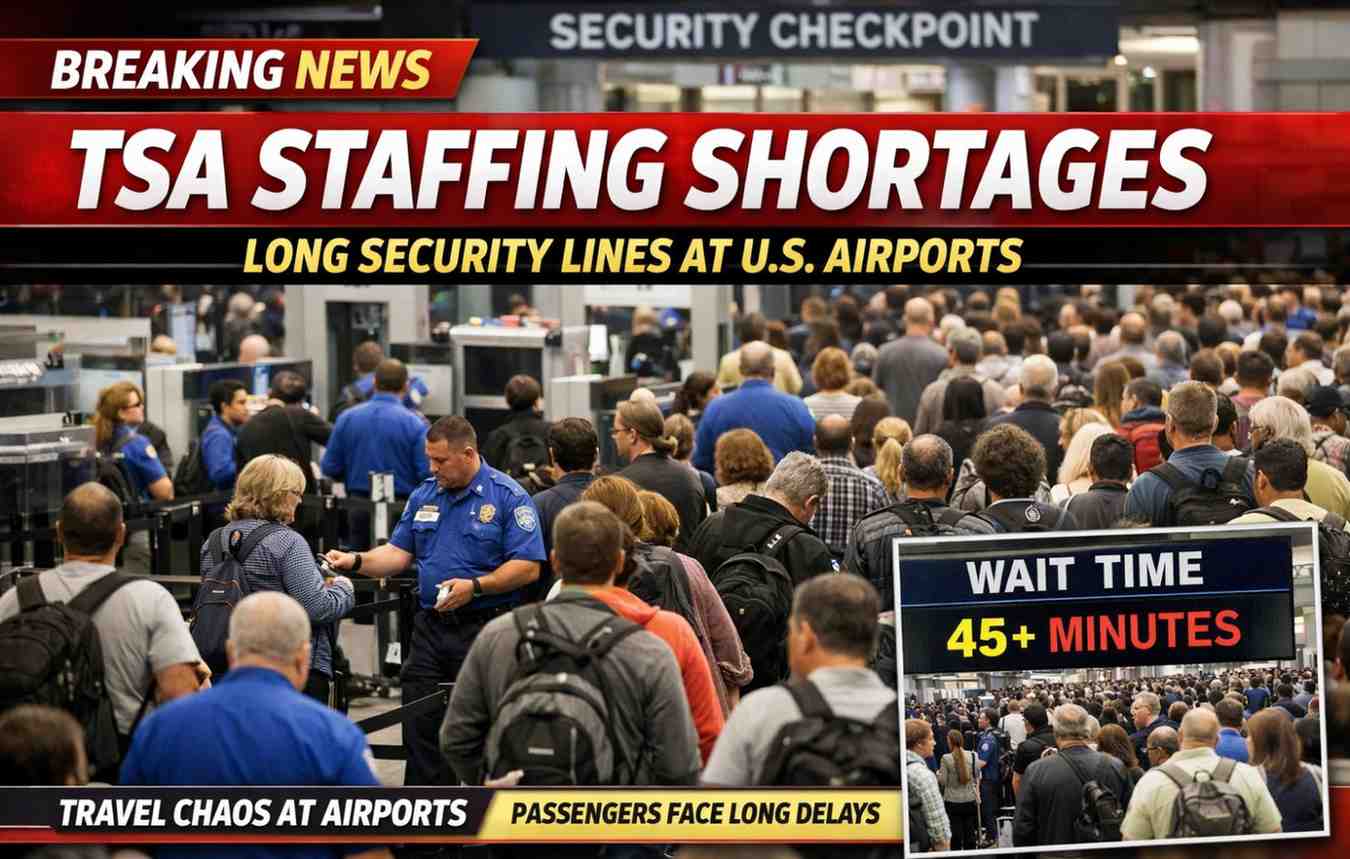
Tel Aviv, Tehran, and surrounding airports are on high security alert. The security screening is more stringent, and delays are typical — even for passengers whose flights are not immediately impacted by hostilities. - Government Travel Advisories
The U.S., U.K., and other nations have issued travel warnings urging citizens to abstain from non-essential travel to Israel, Iran, and the surrounding regions. Make sure to consult your own government’s current travel warnings if you’re traveling to or transiting through the region.
What You Must Do as a Traveler
If you are planning to travel to the Middle East or the surrounding areas, following are some useful tips:
- Stay Informed: Monitor reputable news sources and your government’s travel advisories regularly.
- Verify With Your Airline: If you have a flight booked, call your airline to know if your flight remains operational. Airlines can provide free changes or cancellations for the conflict.
- Buy Travel Insurance: Ensure that your travel insurance is valid for cancellations or delays caused by political instability or armed conflict. Read the small print.
- Steer Clear of Trouble Spots: Don’t think only of Israel-Iran. Countries around them could also be affected if fighting escalates.
Last Words
This escalating clash serves as a stark reminder of the speed at which international events impact travelers globally. A local military battle can very soon escalate into one that impacts flights, security, and tourism on a much larger scale.
The Middle East is a region full of rich history, culture, and beauty — and many travelers dream of visiting it. But right now, safety must come first. If you’re planning a trip there, be flexible, stay informed, and be ready to change your plans if needed.
Peace in the region would not only benefit its citizens but also roll out the welcome mat for the millions of tourists who would love to experience its beauty. Israel-Iran In the meantime, remain vigilant and travel wisely.