
 Travel News Update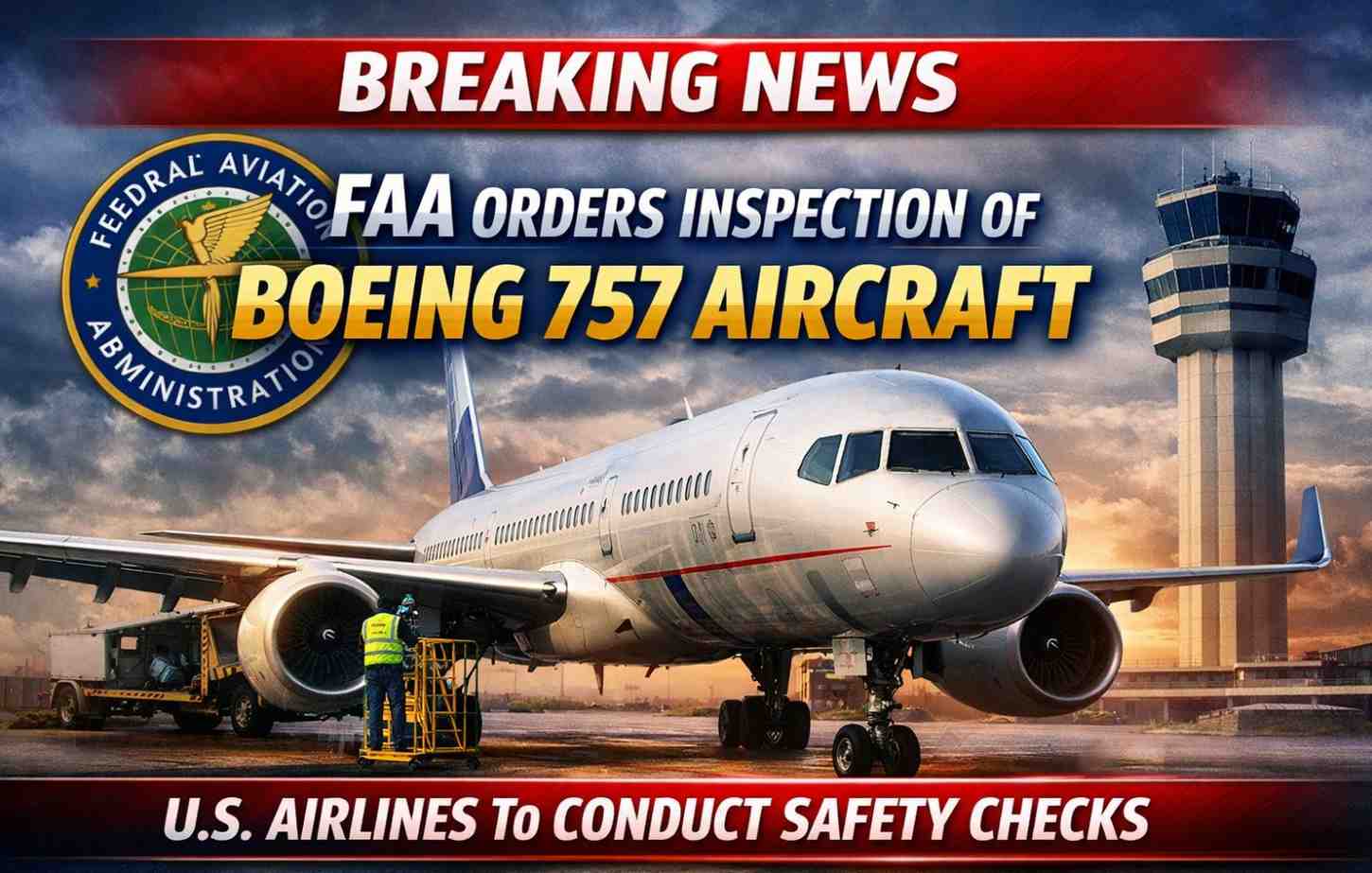
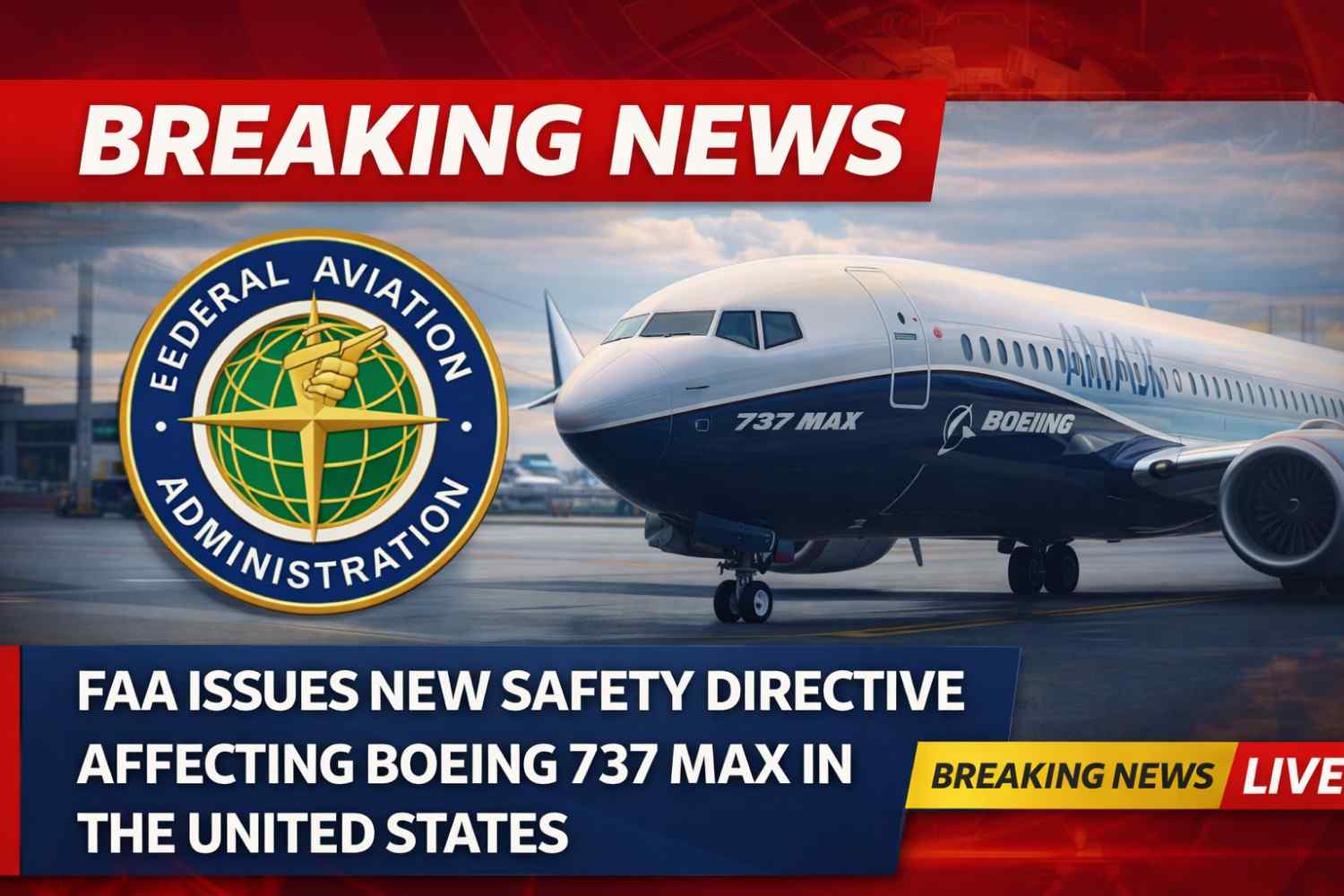
The Federal Aviation Administration (FAA) has issued a new safety directive requiring inspections of certain Boeing 757 aircraft operated by U.S. airlines. This decision comes as part of the agency’s ongoing effort to maintain high safety standards and ensure that aging aircraft continue to operate safely. The inspections will focus on aircraft equipped with special winglets and structural components that may be affected by long-term use.
Inspections Focus on Structural Safety
The Boeing 757 is a narrow-body aircraft that has been in service for more than four decades. Many airlines continue to use the aircraft because of its reliability and performance. However, as aircraft age, regular inspections become more important to identify possible structural wear or fatigue.
The FAA’s directive mainly applies to Boeing 757 aircraft that are equipped with “blended winglets” or “scimitar winglets.” These winglets improve fuel efficiency and reduce drag, but they also place additional stress on certain parts of the aircraft. The FAA wants airlines to carefully inspect these areas to ensure there are no cracks, weaknesses, or structural damage.
Airlines are required to perform these inspections within a specified time frame. If any issues are found, airlines must repair the aircraft before returning it to service. This helps prevent potential safety risks and ensures that aircraft remain in proper condition.
Major U.S. Airlines Affected by the Directive
Several major U.S. airlines operate Boeing 757 aircraft, including Delta Air Lines and United Airlines. These aircraft are commonly used on domestic routes as well as international routes, including flights between the United States and Europe.
The Boeing 757 remains popular among airlines because of its range and performance. It can operate efficiently on medium- and long-distance routes, making it useful for airlines that need flexibility in their fleet.
Airlines are now working to complete the required inspections while continuing normal flight operations. Most inspections can be completed during routine maintenance checks, which helps reduce disruption to passengers.
Possible Impact on Flight Operations
While the inspections are necessary for safety, they may temporarily affect airline operations. Some aircraft may need to be removed from service for inspection and maintenance. This could result in minor delays, aircraft substitutions, or schedule adjustments.
However, airlines have experience managing maintenance requirements and are prepared to handle these inspections efficiently. Many airlines have maintenance teams and spare aircraft available to minimize disruption. Passengers are unlikely to notice major changes, as airlines will continue operating flights using other aircraft if needed.
FAA Emphasizes Safety as Top Priority
The FAA regularly monitors aircraft safety and issues directives when needed. These inspections are part of routine safety oversight and do not mean that the aircraft are unsafe to fly. Instead, they are preventive measures designed to identify and fix potential issues early.
Aircraft safety depends on regular inspections, proper maintenance, and compliance with regulatory standards. The FAA works closely with airlines and aircraft manufacturers to ensure that all aircraft meet strict safety requirements. Overall, these inspections are an important step in ensuring that Boeing 757 aircraft continue to operate safely and reliably across the United States and international routes.