
 Travel News Update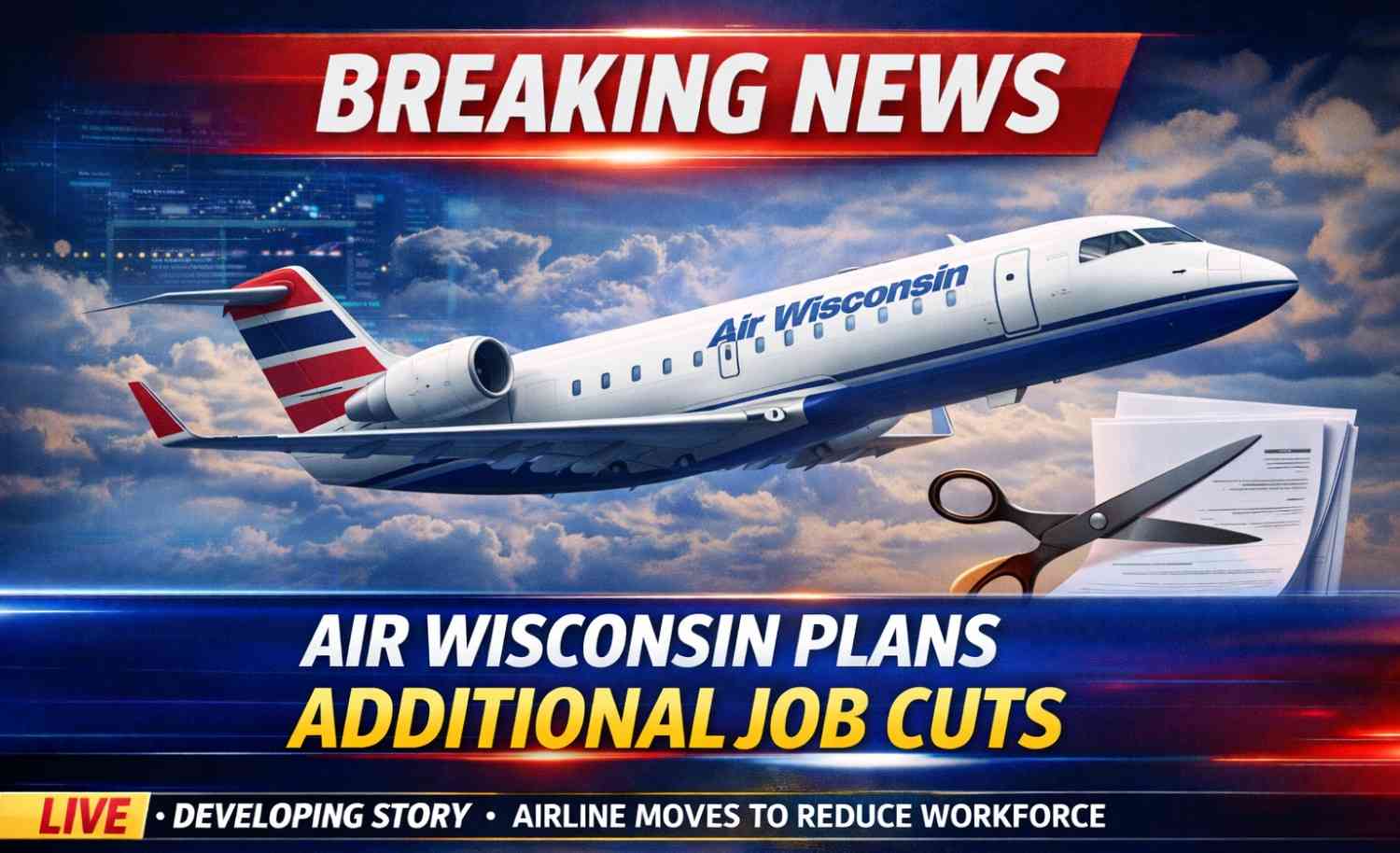
Regional carrier Air Wisconsin Airlines has announced plans to implement additional job cuts as the airline adjusts its operations. The decision comes after the company lost an important flying contract with American Airlines, which previously relied on Air Wisconsin for regional flights.
The announcement reflects the ongoing challenges faced by regional airlines in the United States. These carriers often depend heavily on partnerships with larger airlines, and losing a contract can significantly impact operations and staffing levels.
Air Wisconsin said the layoffs are part of a restructuring effort designed to help the airline adapt to changing market conditions.
Background of the Airline
Air Wisconsin is one of the long-standing regional airlines in the United States. Founded in 1965, the company has operated flights for several major airlines through partnership agreements known as capacity purchase agreements.
Under these agreements, regional carriers operate smaller aircraft on behalf of major airlines. Passengers may book a ticket with a large airline, but the flight itself is operated by a regional partner like Air Wisconsin.
For many years, Air Wisconsin operated flights under the American Eagle brand, providing regional connections for American Airlines. However, changes in airline partnerships and shifting business strategies have forced the company to rethink its operations.
Details of the Job Cuts
According to company statements, Air Wisconsin plans to reduce approximately 128 management and salaried positions. The job reductions will mainly affect corporate and administrative roles within the company. The airline said additional changes could affect other employee groups depending on operational needs and labor agreements.
While layoffs are difficult for employees, the company explained that the decision was necessary after losing the regional flying agreement that supported many of its operations. Air Wisconsin leaders stated that the restructuring is intended to help the airline remain financially stable during this transition period.
Impact on the Regional Airline Industry
The situation at Air Wisconsin highlights broader challenges in the regional airline industry. Regional carriers often depend on contracts with major airlines to maintain stable operations.
When large airlines change their strategies, smaller partners can quickly feel the effects. Major carriers like Delta Air Lines, United Airlines, and American Airlines frequently review their regional partnerships to improve efficiency and reduce costs.
As aircraft technology evolves and airlines focus on larger planes, some regional carriers are finding it harder to secure long-term contracts. This shift has created uncertainty for many companies operating smaller regional aircraft.
Challenges Facing Regional Airlines
Regional airlines face several operational and financial challenges today. One major issue is the shortage of qualified pilots across the aviation industry. Regional airlines often struggle to compete with larger airlines that can offer higher salaries and better benefits.
Another challenge is rising operational costs. Fuel prices, maintenance expenses, and regulatory requirements have increased over the years.
In addition, some airlines are moving toward larger aircraft that carry more passengers. This shift reduces the need for smaller regional jets on certain routes. These industry changes have forced regional carriers like Air Wisconsin to adjust their business strategies.
What Comes Next for Air Wisconsin
Despite the current difficulties, Air Wisconsin says it is exploring new opportunities for the future. The company is reviewing possible partnerships, operational adjustments, and other ways to continue serving the aviation market.
Industry analysts believe that regional airlines may need to diversify their operations or develop new partnerships to remain competitive.
For Air Wisconsin, the coming months will be important as the company works to stabilize its business and support its remaining workforce. While the layoffs mark a challenging chapter, the airline hopes its restructuring efforts will position the company for long-term sustainability in a changing aviation industry.