
 Travel News Update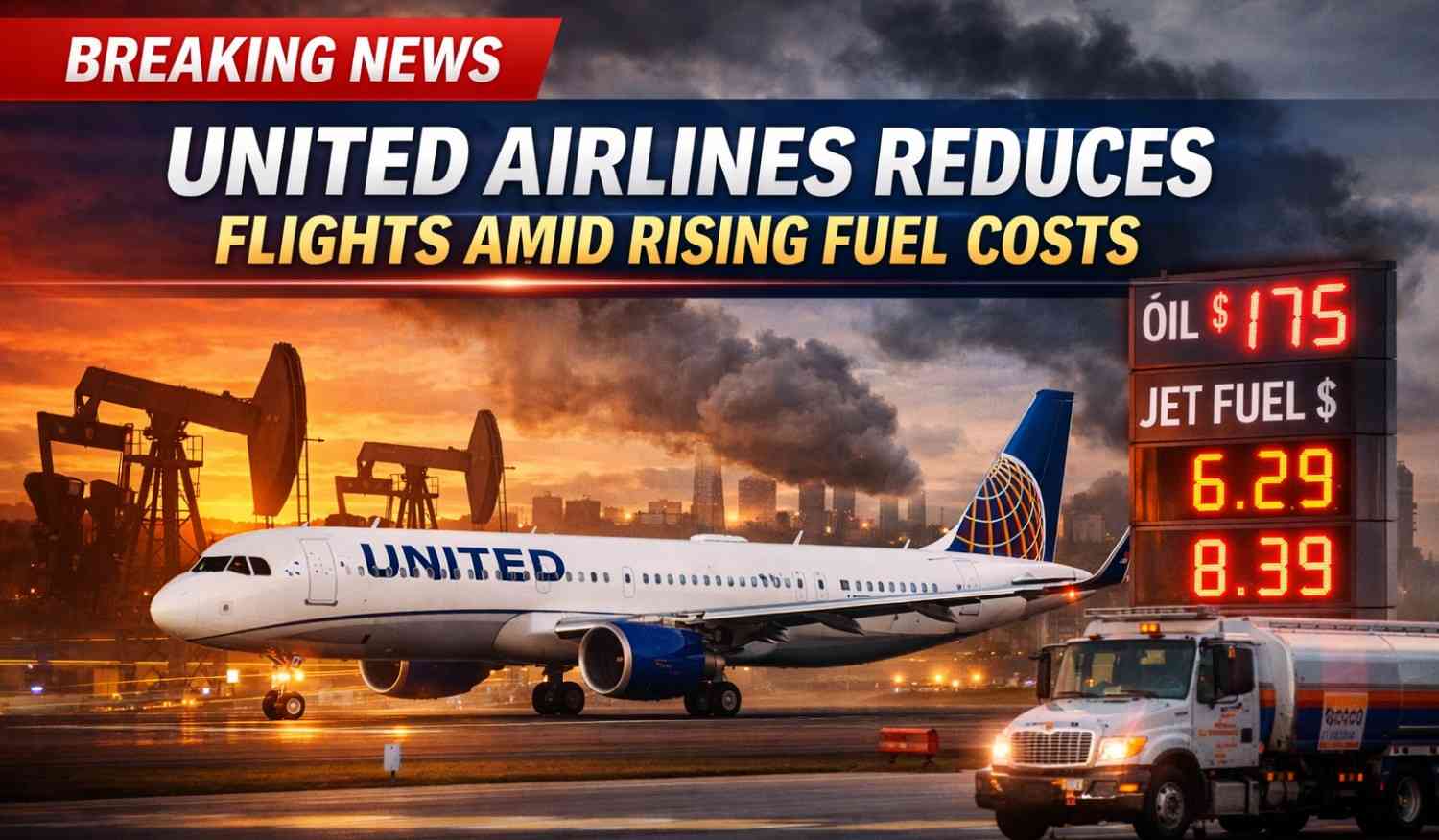
Carrier to Reduce 5% of Flights Amid Rising Costs
The airline has reduced its flight schedule through a temporary cut because high fuel prices create operational cost issues. The airline intends to reduce about 5% of its overall capacity in the next two quarters and has strong plans for long-term growth. The oil price increase presents a major financial challenge which affects airlines throughout the world.
Fuel Prices Driving Strategic Cuts
The internal memo from CEO Scott Kirby stated that jet fuel prices, which now exceed two times their previous values, have experienced a price increase during the last few weeks. He estimated that oil prices would reach $175 per barrel and stay above $100 until 2027.
Kirby stated that fuel costs currently rise at a speed which cannot be maintained. He added that this expense level would create an additional $11 billion annual cost for the airline which exceeds its maximum yearly profit by more than two times. The current oil price stands above $100 per barrel which creates financial strain on the airline industry.
Where the Cuts Will Happen
The majority of capacity reductions will happen for flights that operate with incomplete passenger loads and for planes that operate below their expected flying time. United plans to reduce its late-night red-eye flight operations together with its reduced Tuesday and Wednesday and Saturday flight schedule.
The Chicago O’Hare International Airport will change its flight operations. The Federal Aviation Administration is working with airlines to reduce flight operations because the airport is currently facing congestion problems which need to be resolved before summer arrives.
United has suspended its service to important international destinations such as Tel Aviv and Dubai which has resulted in lower overall capacity for the airline.
Temporary Move with Long-Term Stability
The United Airlines company maintains its long-term strategic plan despite executing temporary operational reductions. The company will maintain its aircraft delivery schedule together with its expansion initiatives which will begin in 2027. Kirby explained that the airline only operates flights which generate sufficient revenue to pay its current fuel expenses.
Strong Demand Supports Outlook
United Airlines enters its peak demand period although costs continue to increase. According to Kirby the airline has achieved its ten highest revenue booking weeks in a row. The demand for travel has enabled United and other U.S. airlines to maintain their positive outlooks despite rising fuel costs.
Global Factors Behind Rising Oil Prices
The increase in fuel prices results mainly from ongoing geopolitical conflicts which currently affect Middle Eastern areas. The global energy supply has suffered major setbacks because of the disruptions which have occurred at the Strait of Hormuz, which serves as one of the planet’s most vital oil transport pathways.
The region handles approximately 20 to 25 percent of global maritime oil transportation, so any interruption here will cause immediate effects on international fuel costs.
Industry Outlook Remains Positive
Airlines need to implement strategic changes because their operating expenses keep increasing yet the entire aviation industry shows positive growth prospects. The airline industry benefits from strong travel demand which helps reduce the financial impact of rising fuel costs.
United Airlines has decided to operate its business in a careful manner by discontinuing routes that do not generate profits while it develops plans for sustainable growth that will begin when fuel prices reach steady levels.