 Travel News Update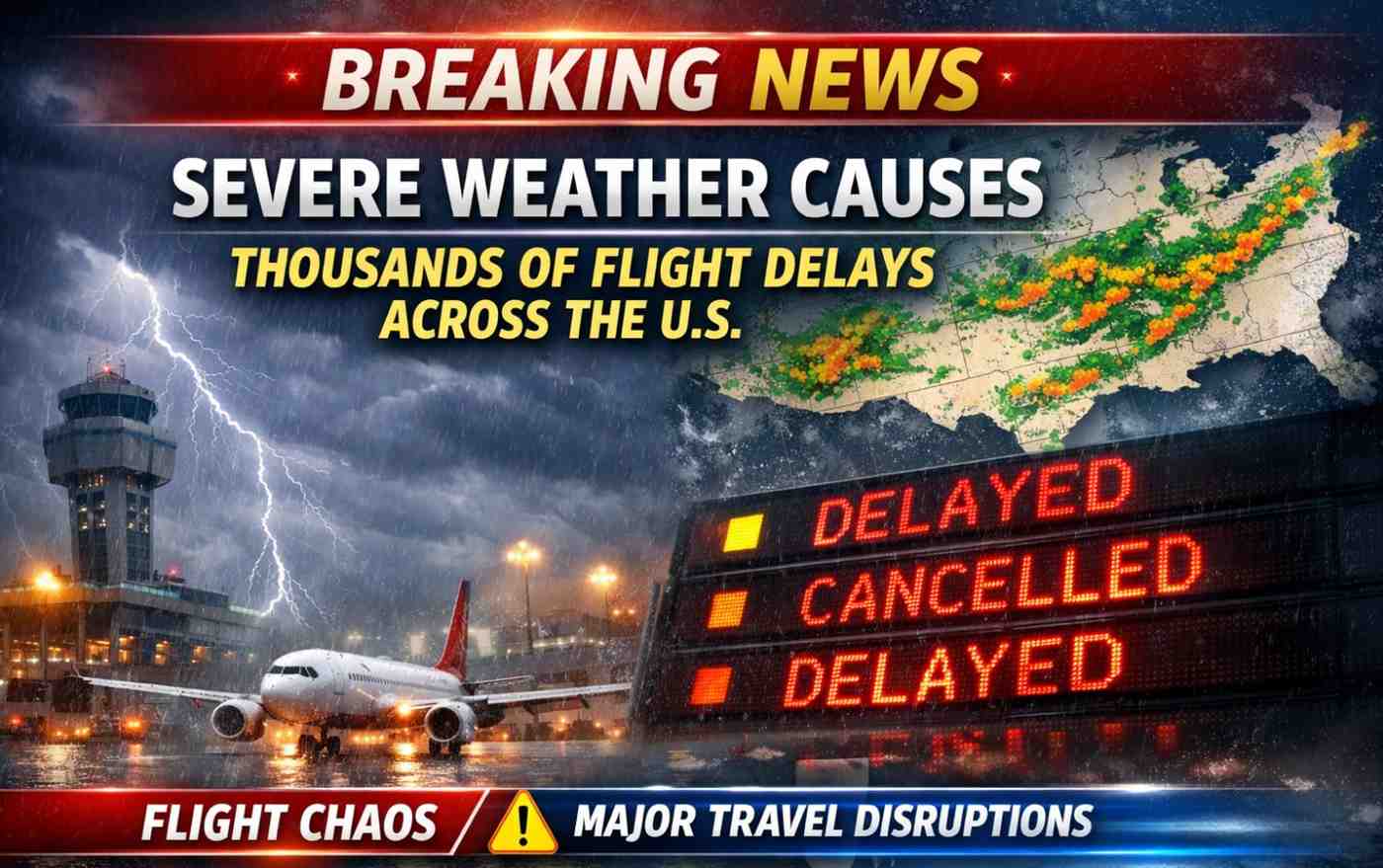
Air travel in the United States has recently been affected by severe weather conditions, leading to thousands of flight delays and cancellations. Many travelers have faced long waiting hours and sudden changes in their plans. Weather continues to be one of the biggest challenges in the aviation industry, even with advanced technology and modern aircraft systems.
How Weather Impacts Flights
Severe weather such as snowstorms, thunderstorms, heavy rainfall, and strong winds can make flying unsafe. Pilots require clear visibility and stable conditions for safe takeoff and landing. When weather conditions become extreme, airlines prefer to delay or cancel flights rather than take risks. This is the main reason why flight delays in the U.S. increase during certain seasons, especially winter and monsoon periods.
Effect on Busy Airports
The United States has some of the busiest airports in the world, and when bad weather hits even one major airport, it can disrupt the entire system. Flights that are delayed at one location affect other flights connected to it. Aircraft arrive late, passengers miss connecting flights, and airline schedules become unbalanced. As a result, thousands of flights across the country get delayed or cancelled, even in cities where the weather is normal.
Why Delays Spread Quickly
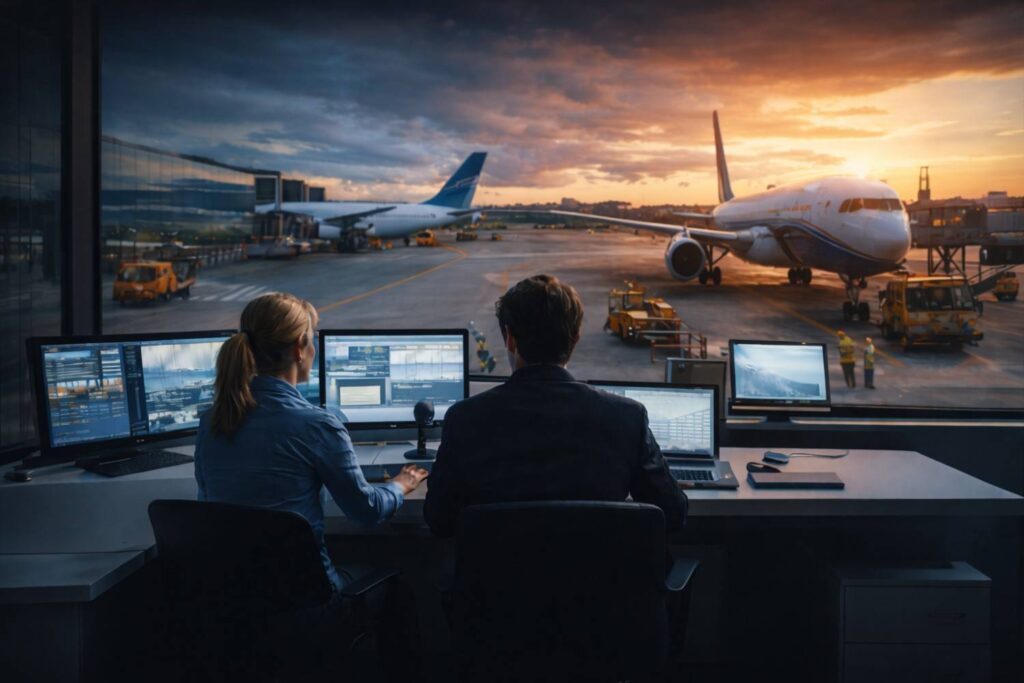
Flight operations are highly connected, which means a delay in one flight can affect many others. When an aircraft is delayed, its next scheduled flight is also delayed. Similarly, crew availability and airport traffic become difficult to manage. This creates a chain reaction, leading to more delays and cancellations throughout the day. That is why a single storm can cause widespread disruption in the U.S. aviation system.
Impact on Passengers
These weather-related disruptions can be very stressful for passengers. Many people experience long waiting times at airports, sudden rescheduling, and missed connections. In some cases, travelers also have to spend extra money on food, hotels, or alternative travel arrangements. This makes it important for passengers to stay informed and prepared before traveling.
Conclusion
Severe weather remains one of the leading causes of flight delays and cancellations in the United States in 2026. While airlines are working to improve their systems, safety always comes first. Understanding how weather affects flights can help travelers plan better and avoid unnecessary problems during their journey.