 Travel News Update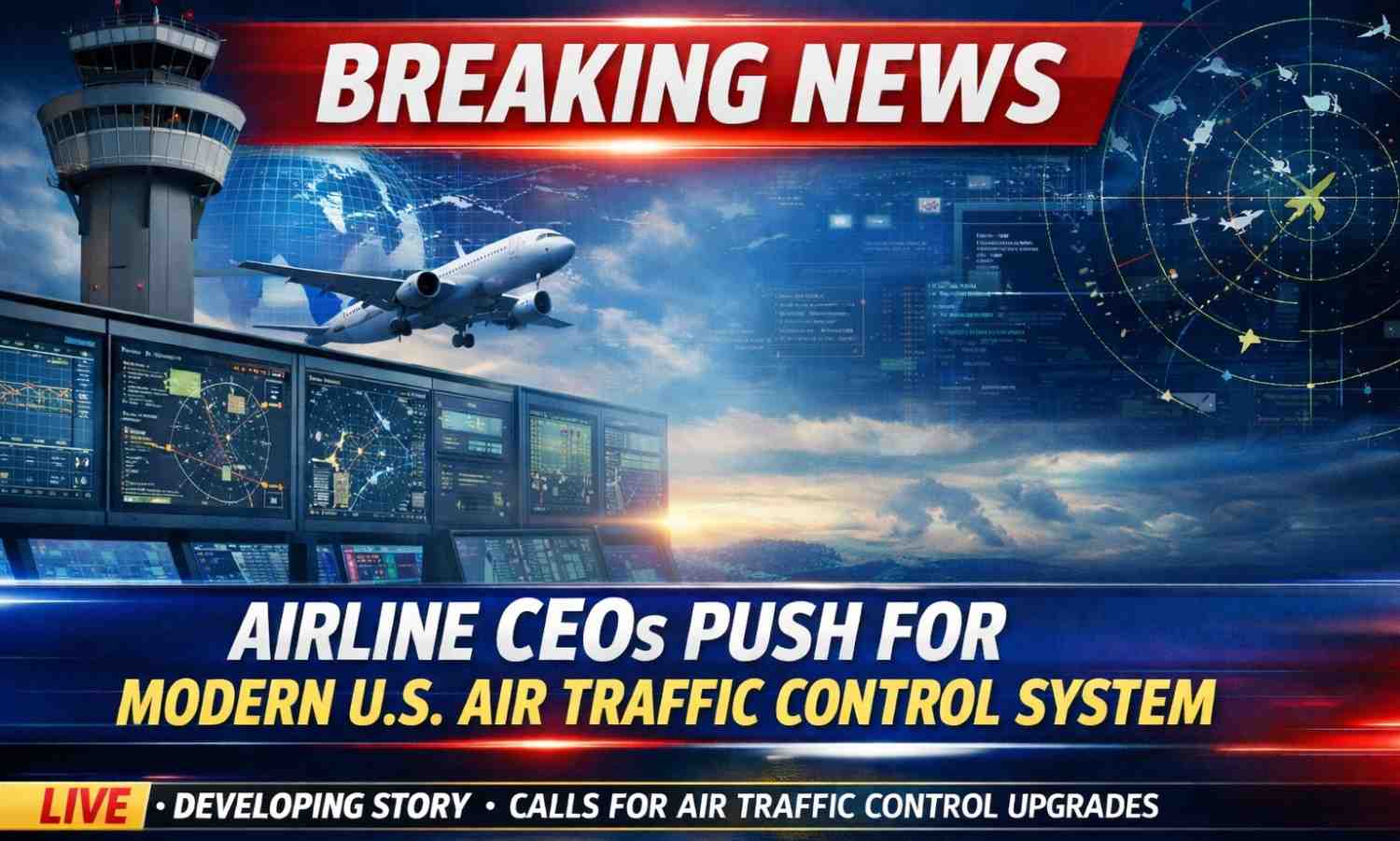
Leaders of major U.S. airlines are urging the government to modernize the country’s air traffic control system. Many executives believe that the current system is outdated and struggles to handle the growing number of flights across the United States. As air travel demand continues to increase, airlines say improvements are necessary to ensure safety, reduce delays, and make operations more efficient.
Several airline CEOs have publicly supported a large federal investment plan aimed at upgrading equipment, improving technology, and strengthening infrastructure used by air traffic controllers. The modernization effort could shape the future of aviation in the United States.
The Current Air Traffic Control System
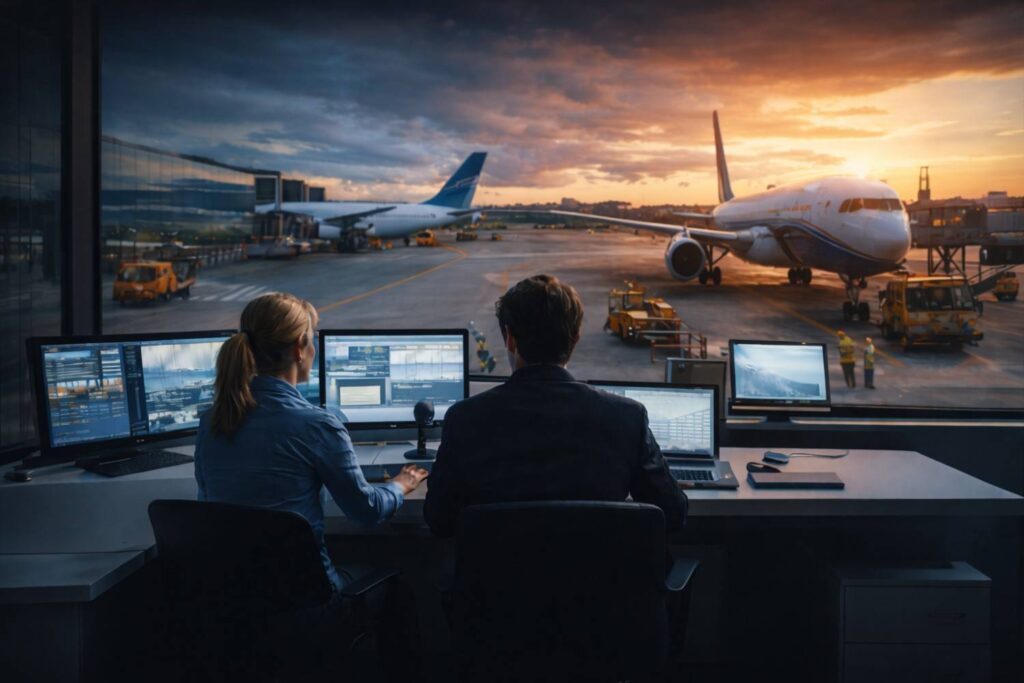
The U.S. air traffic control system manages thousands of flights every day. Controllers guide aircraft during takeoff, landing, and while they travel through busy airspace. The system is operated by the Federal Aviation Administration, commonly known as the FAA.
However, much of the equipment used today was installed decades ago. Many radar systems, communication tools, and computer systems were built using older technology. While these systems still function, they are not as efficient as modern digital systems used in other industries.
Airline leaders say this aging infrastructure can slow down operations and create challenges during busy travel periods.
Why Airline CEOs Are Calling for Change
Executives from major airlines such as American Airlines, Delta Air Lines, and JetBlue Airways have expressed strong support for modernizing the system.
According to airline leaders, the current technology limits how efficiently aircraft can be routed through the sky. When systems are outdated, air traffic controllers may have fewer tools to manage aircraft quickly and safely.
Airline CEOs believe modern technology could allow controllers to handle traffic more smoothly. This would benefit airlines, airports, and passengers alike. Many airline executives also argue that a modern system is necessary as air travel demand continues to grow each year.
Benefits of Modernizing the System
Upgrading the air traffic control system could bring several important benefits. First, it could help reduce flight delays. With better technology, controllers would be able to guide aircraft more efficiently through crowded airspace. Second, improved systems could enhance safety. New equipment often includes advanced monitoring tools that help detect potential problems earlier.
Third, modernization could reduce fuel usage. When flights follow more direct routes, aircraft burn less fuel, which lowers operating costs for airlines and reduces environmental impact. Finally, passengers could experience smoother travel with fewer disruptions and shorter travel times.
Government Plans and Challenges
The United States Department of Transportation has already discussed plans to improve the national airspace system. These plans include upgrading radar systems, installing better communication networks, and improving digital flight management systems.
However, modernizing such a large and complex system will require significant investment. Experts estimate that the full modernization project could cost billions of dollars and take several years to complete.
There are also logistical challenges. Because the system manages flights across the entire country, upgrades must be done carefully to avoid disrupting daily operations. Despite these challenges, many industry leaders believe the investment is necessary.
The Future of U.S. Aviation
As air travel continues to grow, pressure to improve the nation’s aviation infrastructure is increasing. A modern air traffic control system could support new technologies such as advanced navigation systems, more efficient flight routes, and even future innovations like electric or autonomous aircraft.
Airline CEOs say that investing in modernization today will help ensure the United States remains a global leader in aviation. If the government moves forward with the proposed upgrades, passengers could see long-term improvements in travel reliability, safety, and overall flight efficiency.