 Travel News Update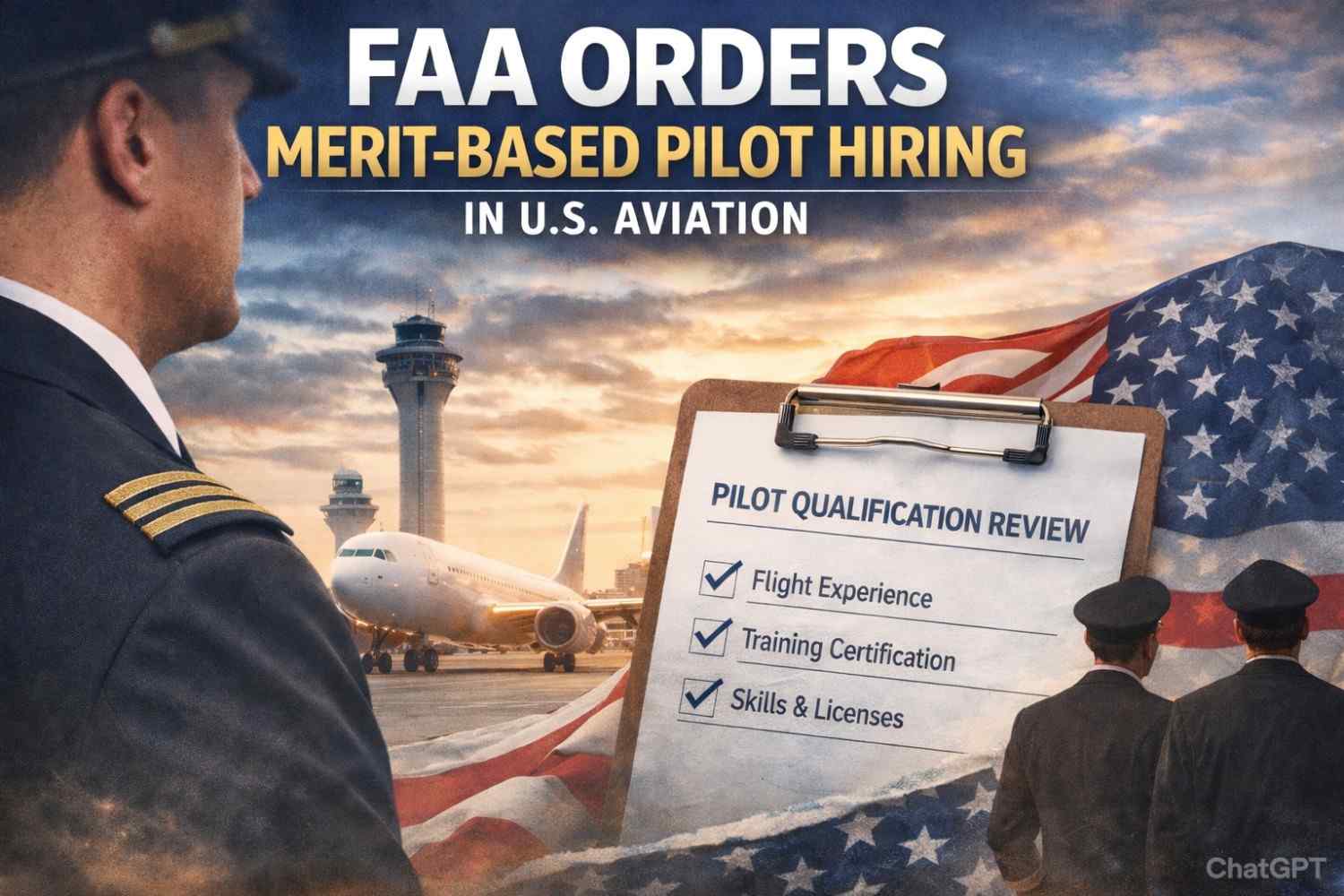
What happened
The U.S. Aviation Administration (FAA), in a significant departure from past practice, has told airlines throughout the United States to “voluntarily” certify that their recruitment of pilots is strictly based upon merit and qualifications for the job function. This order pertains to all passenger and cargo carriers falling under FAA jurisdiction.
The change means that airlines must now demonstrate clearly why pilots are hired based on such objective criteria as their flight experience, performance in training, licenses and technical skills. Renegade airlines that refuse to comply can be submitted for federal review or even scrutinized. This action is quickly becoming a major story in both U.S. aviation news and the larger U.S. media landscape given that it has potentially massive implications for the airline industry as a whole.
Official explanation or statement
According to the FAA, this directive is intended to promote transparency and trust in how pilots are chosen. Regulators are asking airlines to make clear that safety and professional competence should continue to be the overriding factors when it comes to choosing pilots. The FAA says the records help it ensure hiring decisions comply with existing aviation safety standards.
U.S. Secretary of Transportation Sean Duffy also commented on the incident, saying, “Our passengers should not be forced into unsafe conditions where pilots are hired based on their ability to accept the lowest pay instead of their proficiency in safely flying aircraft.” He stressed that criteria such as training, flying experience, how the job has been certified and job-related tests need to be what matters most. Officials said the directive was focused on documentation and transparency, rather than changing safety rules that are already in place.
Impact on flights, airlines, or passengers
For airlines, such an order imposes added administrative burdens. Major carriers like American Airlines, Delta Air Lines and United Airlines will have to show that their hiring processes are clearly documented and available for inspection if regulators ask for them. Airlines can revise internal policies for hiring, check criminal records and reinforce compliance measures.
For fliers, there would be no immediate effect on the schedules of flights and cancellations nor on ticket prices. Flights will remain as scheduled. But long-term, this directive builds confidence around safety. It keeps pilots in command of commercial airplanes held to high professional standards, which is a reassuring thought to travelers after reading this important U.S. aviation news item.
What travelers should do or expect
There is no action a traveler need take in response to this directive. Flight operations, airport procedures and booking remain unchanged. The 11.4 million Americans who have flown on a plane since the start of COVID-19 can keep flying as they normally would, without having to worry about new disruptions from this FAA mandate.
But passengers can still rely on airlines to keep strong safety practices and transparency when hiring pilots. This order demonstrates that aviation regulators are watching airline operations to make sure safety is always first. For passengers, that is good U.S. news because it reinforces faith in the aviation system and how airlines operate it.
Short context or background
The hiring of pilots in the United States is already one of the most scrutinized processes in aviation. Pilots are required to go through rigorous training, log the necessary hours in the air, pass simulator tests and earn their FAA certifications before they’re eligible to fly commercial flights. Airlines also perform additional training and testing before allowing pilots to fly passengers.
This new guidance does not alter those safety requirements but layers on yet more documentation and oversight. It arrives at a moment when the aviation industry is facing greater public scrutiny over hiring practices and safety. Consequently, this is a major focus in our latest US aviation news travelnewsupdate , and demonstrates the FAA’s ongoing hard-work to keep the airlines industry transparent, accountable and safe for passengers worldwide.