
 Travel News Update
If you’ve ever had to run through an airport, heart racing and bag jiggling, just to miss your connecting flight by seconds, you know how infuriating flying can be. Worse still, if you’ve had to sit for hours waiting for the next flight or endured rebooking, delays, or missing bags you’re not alone.
Fortunately, American Airlines is about to do something big to make connecting flights a whole lot easier. With an intelligent new technology on the horizon, the airline is attempting to eliminate one of the most feared travel issues: missed connections.
Let’s take a look at what that’s going to mean for travelers and how it might revolutionize the flying experience in a very real sense.
- Missed Connections: The Agony Travelers Can So Well Relate To
Connecting flights are a roll of the dice. Either your initial flight gets held up, your gate is on the opposite side of the airport, or there’s a herdsufferer line at customs, a tiny glitch can mean huge travel nightmares. You might miss your subsequent flight, get stuck rebooking, and face significant delays to your destination.
Passengers usually book such long layovers just in case, sitting around in airports they didn’t want to spend hours waiting at. It’s stressful, wasteful, and something most passengers hate.
- The Technology That Could Change Everything
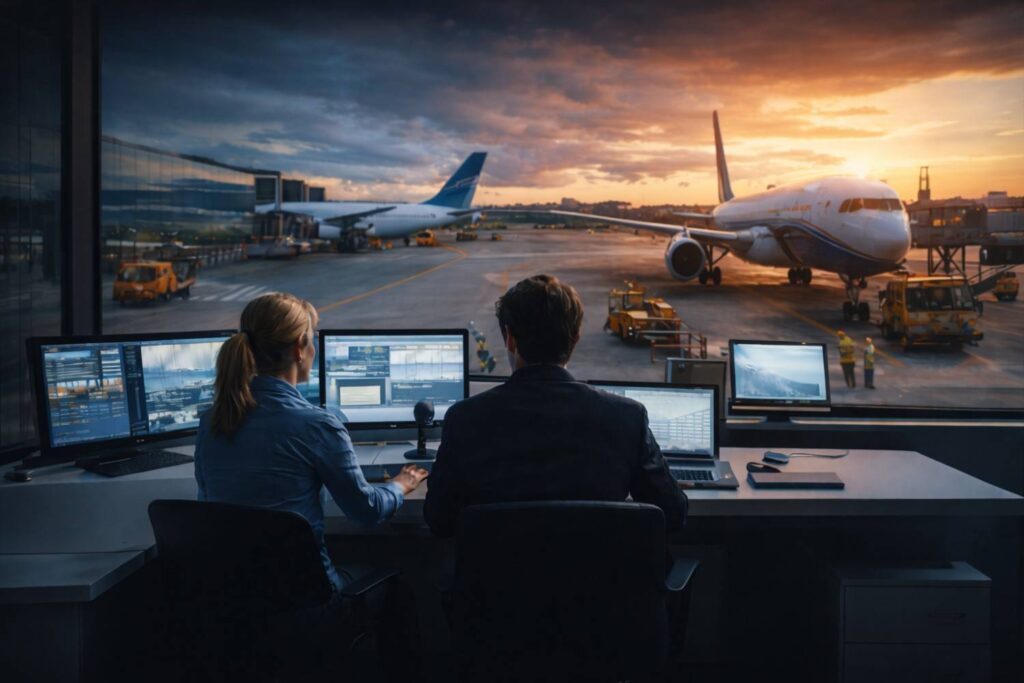
American Airlines is experimenting with a new system technology that tracks flights in real time and identifies whether a passenger stands to miss their connection. If the system notices that it would be possible to get someone to their connection by delaying the next flight for a few minutes—without jeopardizing the schedule as a whole it will recommend that the airline hold the plane back.
This is a straightforward but effective enhancement. Instead of having to count on gate agents or passengers pleading to hold the door, the system relies on information making quick decisions. It introduces logic and equity into the process and could prevent many people from having to rebook or be delayed unnecessarily.
- How the System Works
The technology is being piloted at Dallas-Fort Worth International Airport, which is one of American’s largest hubs. It is set to roll out to Charlotte Douglas International Airport and other hubs later this summer.
American Airlines-Here’s how it works:
- The system tracks both the flights arriving and departing.
- If it notices that a connecting passenger is within reach but will only be able to make the next flight by a matter of minutes, it looks to see if holding the next flight will create scheduling problems.
- When the schedule makes it doable, the airline will hold the flight for a short time to allow the connecting passenger to board.
Everyone wins with this practice, passengers and airlines alike. Airlines gain from reduced rebookings and happier passengers.
- Fewer Sprints Through Terminals
One of the greatest advantages is self-evident: you don’t have to sprint through the airport as if you’re competing in a marathon in order to get your next flight. No more panting, puffing, and showing up at the gate covered in sweat only to discover the plane has just departed.
Rather, American Airlines is trying to craft smoother connections. You’ll still have to work a bit, but this new system gains you a couple of minutes when you need it most.
- All Part of a Larger Initiative to Enhance Travel
This isn’t the only customer-friendly initiative American Airlines is taking. The airline has unveiled various premium enhancements, such as:
- Introducing a second drink service on long-distance domestic flights
- Opening a new flagship club lounge in Philadelphia
- Adding new business class suites on future Boeing 787-9 planes
These changes indicate American is finally hearing what its customers want and attempting to compete more aggressively with other premium airlines like United and Delta.
- What This Means for the Future of Travel
If successful, this new technology could become the new norm for how airlines manage connections. It’s not simply avoiding missed flights it’s about making travel a respect for your time and minimizing the madness of contemporary air travel.
With more airlines embracing smart technology and automated processes, we might finally be headed toward a future in which flying isn’t simply quick but also smoother and less stressful.

Final Thoughts
American Airlines’ new technology to avoid missed connections is a relief in the world of travel. Too long, travelers have experienced stress, doubt, and annoyance when things don’t go exactly as planned. This development is proof that American is striving to improve flying, and that’s good for all travelers.
Whether you’re a regular traveler or organizing your once-a-year holiday, it’s reassuring to know that your airline is employing technology to enable you to make your connection. If American Airlines succeeds, we may be seeing the day when missed flights become the exception rather than the travelnewsupdate